 Lamborghini presented its own vision of future supercars developed in collaboration with MIT (Massachusetts Institute of Technology). The concept named “Terzo Millennio” isn’t just an aesthetic exercise, it shows some interesting and innovative solutions with an electric motor at each wheel, far from a traditional centrally mounted drivetrain, which gave designers a higher level of freedom allowing them to redevelop the entire system starting from a very different point of view. Feeding these electric motors is a new form of energy storage system, designed to improve the efficiency of the power being drawn and replenished from the batteries. Essentially this would be a super-capacitor, which can release very large amounts of energy in a very short time. One of the most innovative aspect of this new car is the potential energy storage possibility presented by the carbon fiber structure itself, Lamborghini has started developing carbon fiber chassis components with the ability to accumulate energy for storage in the body itself! The carbon fiber components don’t only hold energy, but are also “self-healing“. The resin, which forms the glue holding the carbon fiber together, will detect and repair cracks in the material structure, reducing the risk of a structural crack then forming from it. Aside from improving lifecycle properties, it also allows engineers to reduce the quantity of material required in high-stress areas of the structure, also reducing weight and complexity.

Lamborghini ha presentato la propria visione di supercar del futuro sviluppata in collaborazione con il M.I.T. (Massachusetts Institute of Technology). Il prototipo denominato “Terzo Millennio” non è un semplice esercizio di stile, ma mostra alcune soluzioni interessanti e innovative con un motore elettrico per ogni ruota, soluzione lontana dal solito motore centrale, che ha dato ai progettisti un livello più elevato di libertà permettendo di ridefinire l’intero sistema partendo da un punto di vista decisamente diverso. L’alimentazione di questi motori elettrici è affidata ad un nuovo sistema di immagazzinamento, progettato per migliorare l’efficienza della potenza che viene rilasciata e accumulata dalle batterie. Essenzialmente questo sarebbe un supercondensatore, che può rilasciare grandi quantità di energia in un tempo molto breve. Uno degli aspetti più innovativi di questa nuova vettura è la potenziale possibilità di immagazzinare energia presentata dalla stessa struttura in fibra di carbonio, Lamborghini ha iniziato a sviluppare componenti del telaio in fibra di carbonio con la capacità di accumulare energia di riserva nel corpo stesso! I componenti in fibra di carbonio non solo conservano l’energia, ma sono anche “auto-riparanti”. La resina, che forma la colla che tiene insieme la fibra di carbonio, rileverà e riparerà le crepe nella struttura del materiale, riducendo il rischio che ci sia un cedimento strutturale. Oltre ad allungare il ciclo vitale, consente agli ingegneri di ridurre la quantità di materiale richiesto nelle aree più sollecitate della struttura, riducendo anche il peso e la complessità.
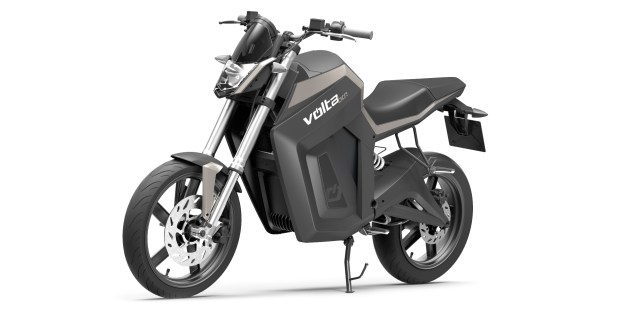 Ecologica alternativa per moversi in città, la BCN City della spagnola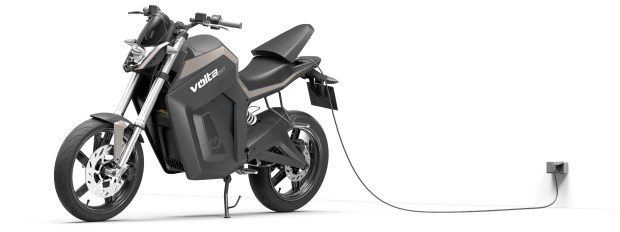
 Una delle proposte più interessanti nel panorama delle autovetture sportive elettriche è certamente la Concept One di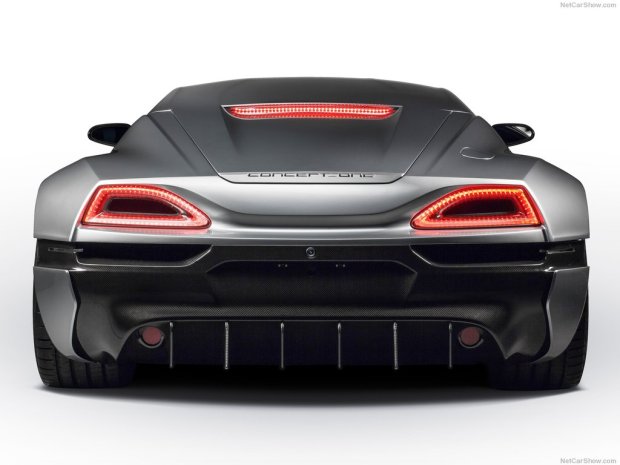
 Photos from the page
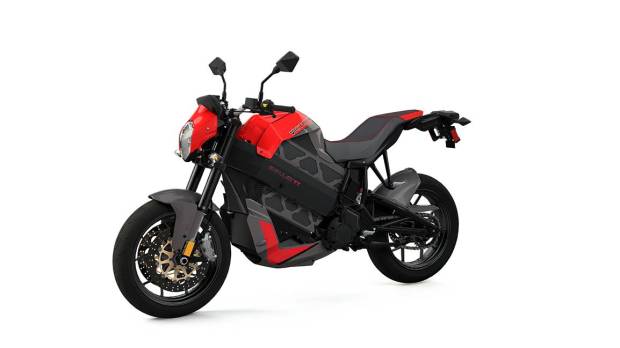
  Alta Motors, based in California, was born more than nine years ago by the idea of two friends, Jeff Sand and Derek Dorresteyn, thinking that electric technology was ready (at least for motocross and off road) to potentially offer a better motorbike. The question was one of range and energy: Could you put enough batteries in an electric dirtbike to last a pro moto and a little bit more? Dorresteyn did the numbers and found you could – if you were careful with the design and kept the weight of everything else low. Since 2009, the two guys worked to create a 250cc-class e-bike and had begun to put together a company to realize it. Every design decision for the Redshift was taken to be fully competitive with conventional motorcycles. Since the first concept to production, the battery design evolved but what stayed constant was that it offered a little under 6 kWh of capacity (enough for a 30-minute pro moto or about two hours of trail use) and weighed less than 70 pounds. So every part of the bike has to be light. The Redshift MX has 40 HP liquid-cooled AC Permanent Magnet Motor (ACPM), no clutch and a Waterproof Li-Ion 350V (5.8kW/h Battery Pack). You can set the power using 4 different Maps from low traction to crazy power (and no range!). Top speed 65 MPH. For more info vist:
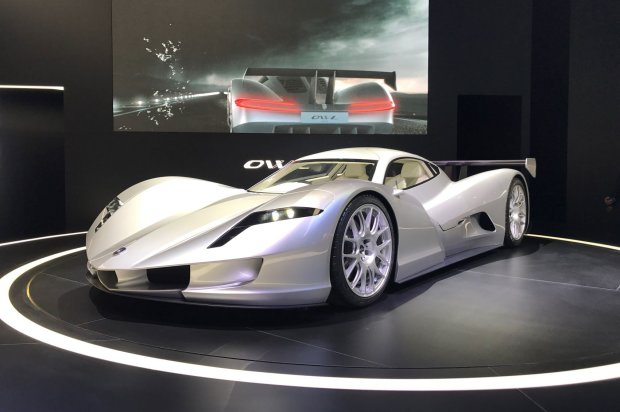 Da 0-100 in 2 secondi, questo il dato che colpisce di più del “gufo” (owl) giapponese. Il prototipo di hypercar presentato a Francoforte dalla Aspark. La Owl sfrutta due motori elettrici capaci di sviluppare una potenza complessiva di 435 cavalli con una coppia di 764 Newtonmetri e pesa appena 850 kg infatti il corpo vettura è interamente realizzato in fibra di carboinio mentre altre componenti sono costruite utilizzando magnesio, acciai speciali e alluminio. La macchina è lunga 4 metri e 83 centimetri e alta solo 990 millimetri. La linea può non essere orginalissima ma sicuramente è piacevole ed estremamente aerodinamica. La velocità massima dichiarata è di 280 km/h, unico limite l’autonomia di soli 150 km dovuta all’uso di batterie estremamente compatte per non influire negativamente sulla massa totale.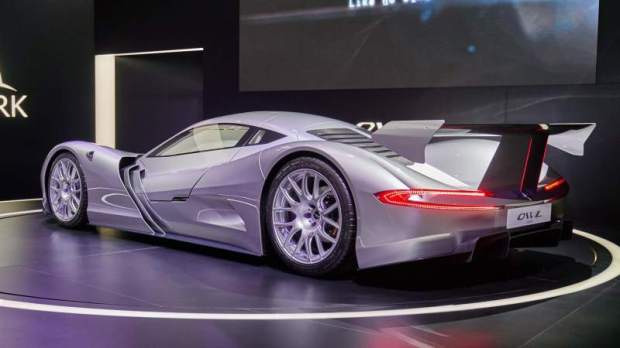

 Nata con il marchio
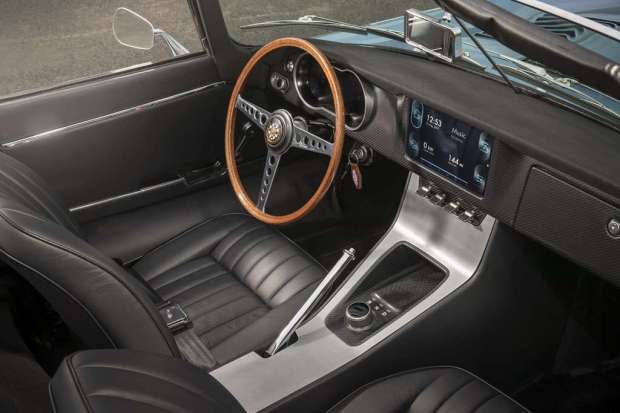
  Jaguar presented an all electric restomod E-Type at the Jaguar Land Rover Tech Fest early in September 2017. The car is totally original in specification, apart from its modern powertrain and modified instrumentation. The electric powertrain developing 220kW has been specially designed for this car. Its lithium-ion battery pack has the same dimensions, and similar weight, to the XK six-cylinder engine used in the original E-type and placed in precisely the same location as the XK engine. The electric motor (and reduction gear) lies just behind the battery pack, in the same location as the E-type’s gearbox. A new propshaft sends power to a carry-over differential and final drive. The car is 46kg lighter than the original E-type. The E-type Zero has a range of 270km thanks to the low weight and good aerodynamics. It uses a 40kWh battery, which can be recharged from home overnight (in 6-7 hours, depending on power source). The Jaguar E-type Zero not only drives and looks like an E-type, it also offers outstanding performance. It’s quicker than an original E-type: 0-100km/h in only 5.5sec! More info at:



 P77
P77 