autovetture

Audi elAIne: driving to the future

Audi-Elaine-Concept-3

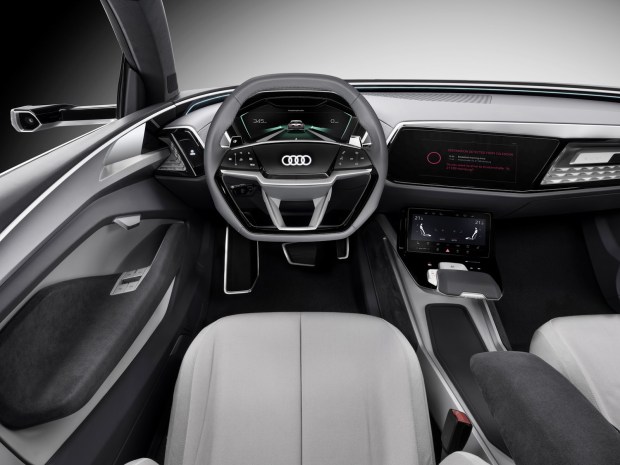
Do you remember the sci-fi movie iRobot? Do you remember the Audi RSQ driven by detective Spooner? That future is coming next as faster you can imagine. I’m not talking about spherical wheels but I’m talking about autonomous driving and Audi is showing us a glimpse of what’s coming next. AI, artificial intelligence, at your side driving and taking care of passengers. The Elaine, this is the name of the concept, features an all-electric drive system bound for future models, with one electric motor for the front wheels and two for the rear wheels—delivering 429 HP, or 496 in a special mode, which is good for a 0-60mph in 4.5 seconds. Battery capacity is 95 kWh, and the concept has both inductive charging and 150-kW fast charging. The Elaine is capable of driving itself without the driver or any occupant present in designated private areas termed Audi AI Zones—a multistory parking garage, for instance, where it could park itself, return to the owner, and perform tasks such as getting a carwash. There’s also a Personal Intelligent Assistant (PIA)—essentially a vehicular version of Siri, Alexa, or Google Now—that observes the driver’s behavioral patterns and applies machine-learning methods to make recommendations.

Audi-Elaine-Concept-11

Vi ricordate il film iRobot? Ricordate l’Audi RSQ guidata dal detective Spooner? Quel futuro arriverà più velocemente di quanto potete immaginare. Non sto parlando di ruote sferiche, ma di guida autonoma e Audi ci sta mostrando uno sguardo su quello che verrà. AI, intelligenza artificiale, al tuo fianco guidando e coccolando I passeggeri. L’Elaine, questo è il nome del concept, dispone di un sistema di trazione elettrico ideale per modelli futuri, con un motore elettrico per le ruote anteriori e due per le ruote posteriori: 429CV o 496 in una modalità speciale ideale per uno 0-100 in 4,5 secondi. La capacità della batteria è di 95 kWh e il prototipo ha sia carica induttiva che una carica rapida da 150 kW. L’Elaine è in grado di guidare senza il conducente o gli occupanti presenti in aree private designate come Audi AI Zones – un garage di parcheggio multilivello, per esempio, dove può parcheggiare, tornare dal proprietario e svolgere compiti come andare al lavaggio. C’è anche un Assistente Personale (PIA) – sostanzialmente una versione veicolare di Siri, Alexa o Google Now – che osserva i modelli comportamentali del conducente e applica metodi di apprendimento macchina per dare consigli.

Audi-Elaine-Concept-7

Vanda Dendrobium: electroshocking and fast

vanda_dendrobium_01

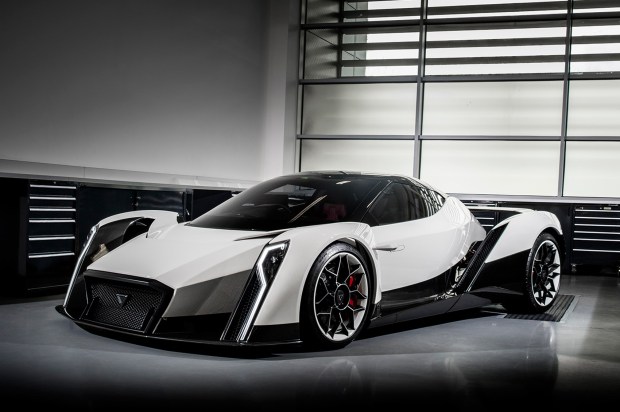
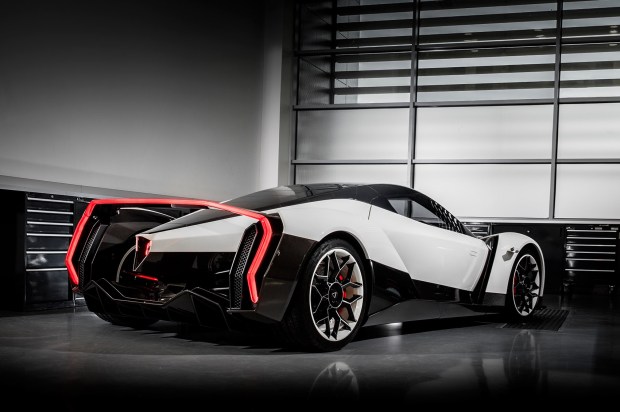
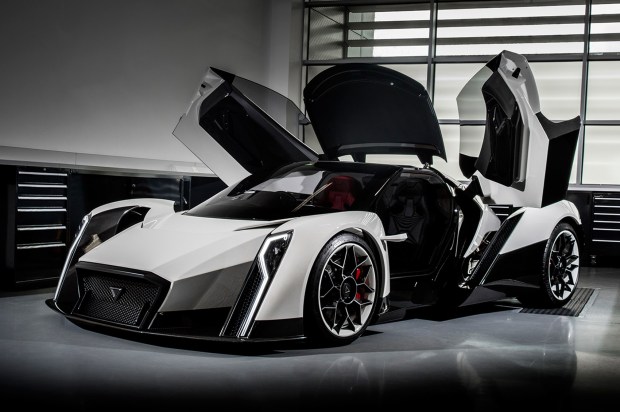
La Dendrobium a due posti con tetto “a petali” è il prodotto della Williams Advanced Engineering (WAE), con sede a Grove (UK), i cui ingegneri hanno passato il 2016 a trasformare gli schizzi di progettazione in un prototipo finemente rifinito. Le porte posteriori e il tetto conferiscono alla supercar il suo nome; La loro forma “a petali” simile all’orchidea Vanda, fiore nazionale di Singapore. Il dendrobio è un genere di orchidee. Secondo Larissa Tan, il capo di Vanda Electrics, il prossimo passo è quello di predisporre la Dendrobium per una produzione limitata “di decine, piuttosto che centinaia”. La produzione è prevista iniziare entro il 2019. Il direttore dei programmi di WAE, Ian Cluett, che guida il progetto, ha costruito l’automobile fino ad essere marciante. I dettagli completi sull’unità elettrica non sono stati rivelati ma, per raggiungere i 200mph, la Dendrobium avrà bisogno di più di 700HP, trazione integrale, un cambio a due velocità e probabilmente tre motori elettrici – uno davanti e due al posteriore. La vettura demo dinamica presenta un singolo motore e una batteria agli ioni di litio derivanti dalla configurazione di Formula E che WAE ha progettato per la categoria corse. La WAE ha affrontato una serie di sfide difficili con il design della Dendrobium, che presenta una sezione centrale a forma di lacrima, componenti di sospensione posteriori esposti e un’apertura unica per tetto e porte. Mantemere le portiere e il leggerissimo tetto chiuso a 200mph sarà una grossa sfida ingegneristica per WAE. La Dendrobium non è ancora stata nella galleria del vento, ma Cluett ha dichiarato che il suo comportamento è stato definito al computer. La carrozzeria posteriore conica lascia ancora spazio per un pacco batteria. Non è possibile mettere la batteria tra le ruote, come sulle Tesla, perché ciò alzerebbe il centro di gravità è quindi probabile che si tratterà di una batteria relativamente piccola da 30-50kWh, piuttosto che da 80-100kWh come sulla Model S. Il gruppo motori sarà impostato per raggiungere i due obiettivi principali del progetto: 200mph di velocità massima e 0-60mph in 2.7sec.

vanda_dendrobium_03

The two-seat ‘petal-roofed’ Dendrobium is the product of Grove-based Williams Advanced Engineering (WAE), whose engineers spent 2016 turning design sketches into the neatly finished concept. The rear-hinging doors and roof lend the supercar its name; their ‘petal-like’ shape mimicking the Vanda orchid, Singapore’s national flower. Dendrobium is an orchid genus. According to Larissa Tan, the boss of Vanda Electrics, the next step is to engineer the Dendrobium for limited production “in the tens, rather than the hundreds”. Production is planned to kick off by 2019. WAE head of programmes Ian Cluett, who is leading the project, had the car built to a running standard. Full details of the electric power train have not been revealed but, to hit 200mph, the Dendrobium will need more than 700bhp, four-wheel drive, a two-speed gearbox and most likely three electric motors — one at the front and two at the rear. The ‘dynamic demonstrator’ features a single motor and a lithium ion battery pack derived from the Formula E set-up that WAE designed for the race series. WAE has been set a number of tough challenges by the Dendrobium’s design, which features a teardrop-shaped centre section, exposed rear suspension components and unique roof/door opening. Locking the doors and lightweight roof shut at 200mph will be a considerable engineering challenge for WAE. The Dendrobium hasn’t been in the wind tunnel yet, but Cluett said its behaviour has been computer-modelled. The tapering rear bodywork also leaves little volume for a battery pack. WAE can’t package the battery between the wheels, Tesla-style, because that would push the centre of gravity too high. As a result, it is likely to feature a relatively small battery pack of 30-50kWh, rather than the 80-100kWh of the Tesla Model S. The power train will be tuned to deliver the project’s two main targets: 200mph and 0-60mph in 2.7sec.  (source www.autocar.co.uk)

vanda_dendrobium_02

NextEV NIO EP9: fast green future

nioep9

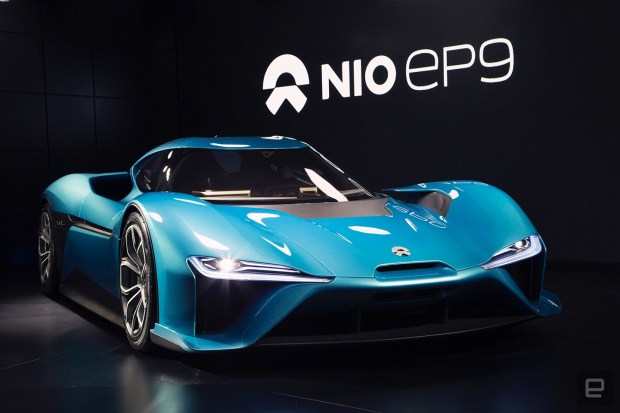
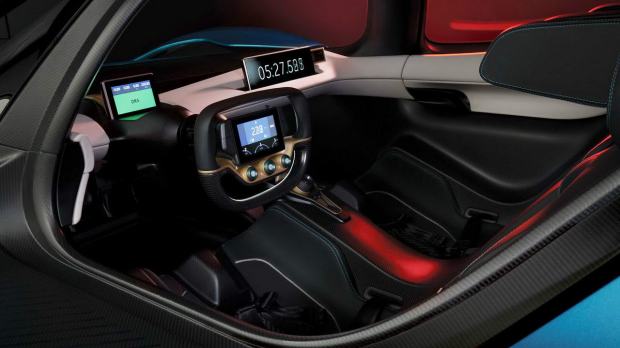
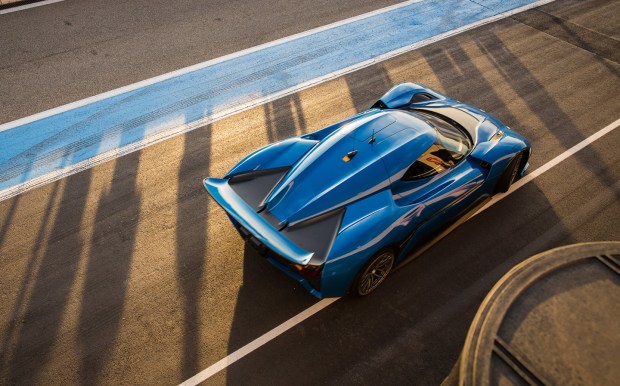
Chinese electric car start-up NextEV has launched a new sub-brand, called NIO, and its first car will be the EP9 an electric four-wheel-drive hypercar. Four high-performance motors (one for each wheel) and four individual gearboxes give the EP9 a 777-volt powertrain that develops 1 MW of power, equivalent to an astonishing 1341HP. The means the EP9 can accelerate from 0-200km/h in 7.1 sec. and has a top speed of 313km/h. The electric EP9 can be charged to full in 45 minutes (though its interchangeable battery system could allow the cells to be swapped out in just eight minutes) and it has a claimed range of 427km. A carbon cockpit and chassis aims to cut weight, which is vital because, thanks to that battery supply, at 1735kg the EP9 comes in almost 200kg heavier than a LaFerrari. (credit: www.wired.co.uk)

nioep9_int

La start-up automobilistica cinese NextEV ha lanciato un nuovo marchio chiamato NIO, e la sua prima vettura sarà la EP9 una hypercar quattro ruote motrici elettriche. Quattro motori ad alte prestazioni (uno per ogni ruota) e quattro cambi individuali danno alla EP9 un propulsore da 777 volt che sviluppa 1 MW di potenza, pari al sorprendente valore di 1341CV. Questo significa che la EP9 può accelerare da 0-200km/h in 7.1 secondi e raggiungere una velocità massima di 313 chilometri all’ora. La EP9 elettrico può essere caricata al massimo in 45 minuti (anche se il suo sistema di batterie intercambiabili potrebbe consentire un cambio in soli otto minuti) e ha una percorrenza dichiarata di 427 km. Un abitacolo e il telaio in carbonio permettono di ridurre il peso, dettaglio essenziale per fermare l’ago della bilancia a 1735kg rendendo la EP9 più pesante di una Ferrari LaFerrari di solo 200kg.

nioep9_back

Jaguar I-Pace: stylish, fast and electric

HyperFocal: 0

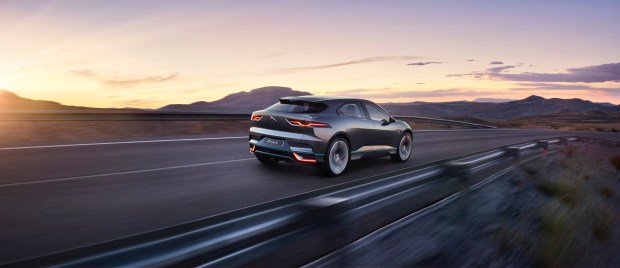
La Jaguar I-Pace è al suo debutto al Salone di Los Angeles e prefigura il primo vero veicolo solo elettrico di Jaguar. La taglia SUV gli permetterà di rivaleggiare con la recente Tesla Model X, anche se con un profilo più slanciato, e questo pare sarà il principio che verrà seguito. La nuova vettura avrà un’autonomia per singola carica di circa 498km, e sarà in grado di accelerare da 0-100km/h in circa quattro secondi, il che significa che sarà rivale delle principali auto sportive. Il sistema 4WD della I-Pace userà una coppia di motori elettrici che produrranno circa 400CV, il tutto alimentato da un pacco batterie agli ioni di litio di 90 kWh. Jaguar dichiera che avrà “una dinamica di guida agile e precisa come ancora non visto su un veicolo elettrico”. Con una iniziativa simile a quella di Tesla con la sua Model3, Jaguar invita i potenziali clienti a segnalare il loro interesse sul sito web. Il SUV Jaguar a cinque posti sarà in vendita nel 2018 – il prezzo è ancora da definire – e si dice per il progetto abbiano lavorato sovvertendo le regole classiche della progettazione per “creare un’architettura elettrica su misura, abbinata ad un design di grande effetto”. Ian Callum, Direttore del Design di Jaguar, ha detto: “L’I-Pace Concept rappresenta la prossima generazione di progettazione dei veicoli elettrici. E’ un design di grande personalità, proiettato nel futuro con un bellissimo interno -. Il frutto del vero DNA Jaguar, tecnologia elettrica e artigianalità contemporanea “Dal punto di vista pratico, Jaguar dice che una carica rapida su un caricabatterie DC 50 KW avrà solo più di due ore, offrendo una gamma di almeno 220 miglia, e fino a 310 miglia. Inoltre, per principio le auto elettriche possano essere realizzate in modo efficiente (le batterie alloggiano nel pavimento della vettura ed i motori elettrici sono molto più piccoli di un motore convenzionale) quindi la I-Pace ha più spazio all’interno del SUV recentemente lanciato, la F- Pace, pur essendo esteriormente più compatto. Inclusi quindi anche 530 litri di spazio per i bagagli nel bagagliaio, e molto di più sotto il cofano anteriore della vettura. Il posizionamento delle batterie nella base della vettura ha il vantaggio di mantenere il baricentro in basso, a tutto vantaggio della maneggevolezza, che suggerisce l’I-Pace dovrebbe incarnare il motto di Jaguar di dinamiche di guida fluide.
HyperFocal: 0

The Jaguar I-Pace is making its debut at the LA motor show and will go on to be Jaguar’s first pure electric vehicle. It will have a SUV body to rival the recently launched Tesla Model X, but with a sleeker profile if this concept is anything to go by. The new car will have a range of 310 miles with a single charge, and will be able to accelerate from 0-62mph in about 4 seconds, meaning it will rival all but the very quickest of sports cars. The AWD I-Pace will use a pair of electric motors that will produce close to 400bhp, all powered by a 90 kWh lithium-ion battery pack. Jaguar boasts that it will have “precise, agile driving dynamics as yet unseen on an electric vehicle”. Similar to Tesla’s initiative with the Model3 electric car, Jaguar is inviting potential customers to register their interest online at its website. Jaguar’s five-seat SUV will go on sale in 2018 – the price is yet to be announced – and is said to have been created as a result of the company’s design and engineering teams tearing up the rule book to “create a bespoke electric architecture, matched with dramatic design”. Ian Callum, Jaguar’s Director of Design, said: “The I-Pace Concept represents the next generation of electric vehicle design. It’s a dramatic, future-facing cab-forward design with a beautiful interior – the product of authentic Jaguar DNA, electric technology and contemporary craftsmanship.” On the practical side, Jaguar says that a rapid charge on a 50 KW DC charger will take just over two hours, delivering a range of at least 220 miles, and as much as 310 miles. In addition, because electric cars can be so efficiently packaged (the batteries sit under the floor of the car and the electric motors are much smaller than a conventional engine) the I-Pace has more room inside than Jaguar’s recently launched SUV, the F-Pace, despite being smaller on the outside. That includes 530 litres of luggage space in the boot, plus more under the bonnet of the car. Placing the batteries in the base of the car has the added benefit of keeping its centre of gravity low, to the benefit of handling, which suggests the I-Pace should live up to Jaguar’s claim of agile driving dynamics.

jaguar_i-pace_concept_int

Microlino: the electric Isetta

Microlino_side

La citycar elettrica Microlino, il cui design prende dichiaratamente spunto dalla Isetta degli anni 50, sembra verrà costruita in Italia. L’azienda svizzera Micro Mobility System di Küsnacht, ha infatti sottoscritto una joint venture con la Tazzari EV di Imola. Quest’ultima, infatti è parte di un gruppo industriale con ben 260 dipendenti, e produce da circa dieci anni microcar elettriche con oltre 1.300 esemplari venduti ad oggi. Sembra che i creatori di questa simpatica vetturetta abbiano già raccolto 1.500 ordini a scatola chiusa. L’accordo prevede che la produzione sarà avviata per fine del 2017; la Tazzari curerà la commercializzazione per il mercato italiano, mentre la Micro si occuperà in proprio degli altri mercati europei. La Microlino è omologata come quadriciclo pesante (L7e), ha la carreggiata posteriore strettissima come la Isetta, e come la progenitrice è accessibile dal portellone frontale.  Conta due posti, motore elettrico (da 15 kW) e trazione posteriore.  L’autonomia stimata, garantita da batterie agli ioni di litio, è di 100 km mentre la velocità massima dovrebbe essere di 90 km/h. Prezzo (per ora) indicativo: circa 12 mila euro.

The electric city car Microlino, whose design takes inspiration from the Isetta in the 50s, seems will be built in Italy. The Swiss company Micro Mobility System of Küsnacht, has signed a joint venture with the Tazzari EV located in Imola. Tazzari EV in fact, is part of an industrial group with up to 260 employees, and has a ten years business in electric microcar with over 1300 units sold. It seems that the creators of this nice little car have already collected 1500 orders. The agreement provides that the production will start by the end of 2017; Tazzari will handle sales for the Italian market, while the Micro will follow the other European markets. The Microlino is approved as a heavy quadricycle (L7e), the rear is very narrow as the Isetta, and as the progenitor is accessible from the unique front door. It has two seats, 15 kW electric motor and rear wheel drive. The estimated range, guaranteed by lithium-ion batteries, is 100 km and top speed should be 90 km/h. Indicative price: about 12000 euro.


Electric GT – Ferrari 308 GTE: green with style

ferrari_308_gte_01

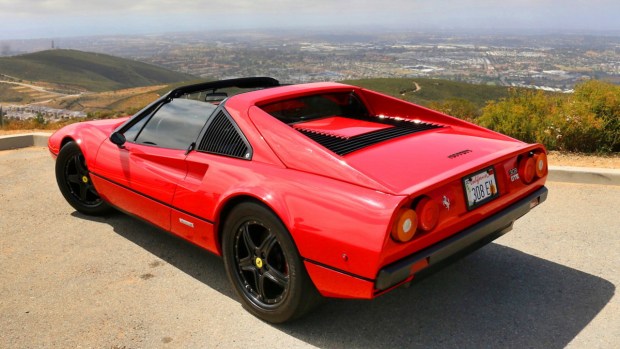
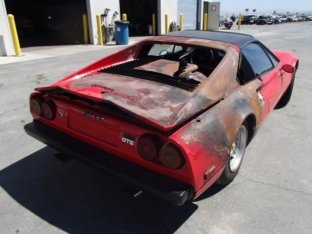
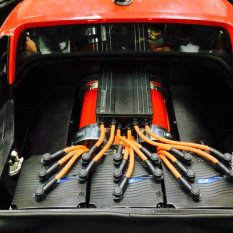
An half burned Ferrari 308 GTS saved from the graveyard. Guys at Electric GT have made a great job, giving a new life to this Pininfarina design creature. A crazy cool project making an electric Ferrari with 415 HP, a 5 speed Porsche gearbox (in order to work with the torque of the new engine), a top speed of 156MPH and a range of 100 miles (with the Li-Ion 28.5kWh battery) next to become 200 miles range with a new 75kWh pack.

ferrari_308_gte_02

Una Ferrari 308 GTS mezza bruciata salvata dal cimitero. I ragazzi alla Electric GT hanno fatto un grandioso lavoro dando a questa creatura disegnata da Pininfarina una nuova vita. Un progetto folle e affascinante quello di costruire una Ferrari elettrica con ben 415CV, un cambio manuale Porsche (per reggere la coppia del nuovo motore elettrico), una velocità massima di circa 250km/h e un’autonomia di circa 150km (con le attuali batterie Li-Ion da 28.5kWh) che presto dovrebbero diventare 300km nuove batterie da 75kWh.

ferrari_308_gte_08

ferrari_308_gte_11

Tesla Model 3: the next big step

Here We are! Tesla Model 3 is coming! With a 35000$ price tag and a 215 miles (345km) range. Elon Musk started his presentation of the upcoming new car with 130.000 pre-orders in less than 24 hours! So future is coming with the next big step by Tesla. First arrivals in 2017.

Tesla_model3

Ci siamo! Tesla model 3 sta arrivando! Confermando il prezzo (americano) di 35000$ (facilmente 40000 euro da noi) e con un’autonomia di almeno 345km (che Tesla conta di migliorare). Elon Musk ha cominciato la presentazione del nuovo modello in arrivo con già 130000 pre-ordini in meno di 24 ore! Il futuro si avvicina con un altro grande passo di Tesla. Prime consegne a 2017 inoltrato.

Tesla-Model-3-interior

Tesla-Model-3-side

Audi R8 e-tron piloted driving concept: ultimate self driving machine from Ingolstadt

audi-r8-e-tron-FRONT

Audi presents its latest innovations at CES Asia: Audi R8 e-tron Piloted Driving Concept. The car in part is the car that we already know with two electric motors with a 460CV output and 920 Nm of torque and which allows acceleration from 0 to 100km/h in 3.9 seconds. Through the integrated battery pack, the range is 450 km and top speed is 250 km/h. The real novelty is the introduction of a number of elements for semi-autonomous driving, technologies that we will find in auto production within the next two years. The control called zFAS manages ultrasonic sensors, radar, laser scanners and cameras that are monitoring road traffic and other vehicles. This is the same technology already tested on the Audi A7 “piloted drive” concept. Finally, the R8 e-tron uses CCS (Combined Charging System) which allows you to recharge the battery in less than two hours and using direct and alternating current.

audi-r8-e-tron-SIDE

Audi presenta al CES Asia l’ultima novità: Audi R8 e-tron Piloted Driving Concept. L’auto in parte è quella che già conosciamo con una coppia di motori elettrici che in totale eroga 460CV e 920 Nm di coppia massima e che permette un’accelerazione da 0 a 100 in 3.9 secondi. Tramite il pacco batterie integrato, l’autonomia è di 450 chilometri mentre la velocità massima è di 250 km/h. La vera novità è l’introduzione di una serie di tecnologie per la guida semi-autonoma, tecnologie che troveremo nelle auto da produzione entro i prossimi due anni. La centralina di controllo denominata zFAS gestisce sensori ultrasonici, radar, scanner laser e videocamere che si occupano di monitorare strada e traffico degli altri veicoli. Si tratta della stessa tecnologia utilizzata già testata sulla concept Audi A7 “piloted drive”. Infine la R8 e-tron utilizza la tecnologia CCS (Combined Charging System) che permette di ricaricare la batteria in meno di due ore e di caricare l’auto sia a corrente continua che alternata.

audi-r8-e-tron-BACK