electric cars

DeLorean MARTY project

15773-car_marty_banner

Gli ingegneri di Stanford hanno costruito una DeLorean a guida autonoma in grado di eseguire drifting stabile e preciso, con ampi angoli, al fine di studiare come le automobili gestiscono situazioni estreme per poter poi arrivare allo sviluppo di protocolli di sicurezza autonomi. I partner Revs Program di Stanford e Renovo Motors hanno quindi presentato l’ultima aggiunta alla flotta di ricerca di Stanford. Soprannominato MARTY – acronimo di “Multiple Actuator Research Test bed for Yaw control” (Attuatore multiplo di ricerca per la prova del controllo di imbardata) – la vettura è già dimostrando di essere un ottimo veicolo per la ricerca da parte degli studenti. Oltre a rendere omaggio al film, Ritorno al futuro, il nome MARTY permette di comprendere meglio i tipi di ricerca da effettuare da parte del team, che è stata determinata principalmente da Jonathan Goh, uno studente laureato in ingegneria meccanica nel Dynamic Design Lab (DDL) del prof. Gerdes. Il controllo elettronico della stabilità, o ESC, è ormai una dotazione nella maggior parte delle auto moderne e permette alla macchina di rimanere entro i confini di una gestione stabile, ad esempio, controllando i freni o addirittura tagliando la potenza del motore in caso di necessità. MARTY è stato costruito in collaborazione con Renovo Motors, una start-up automobilistica con sede nella Silicon Valley che si è specializzata nella costruzione di tecnologie avanzate per veicoli elettrici. Lavorando a stretto contatto hanno fornito al team di Stanford l’accesso a una nuova piattaforma derivata dalla supercar elettrica di Renovo che una straordinaria spinta alle ruote posteriori in una frazione di secondo e che consente un controllo preciso delle forze necessarie alla gestione della derapata. Poiché i sistemi sono tutti gestiti da un’unità computerizzata centrale, il processo di integrazione è stato molto rapido e Goh ed i suoi colleghi sono stati in grado di rimettere su strada la macchina pochi mesi dopo aver eliminato il motore termico originale.

(Estratto da http://news.stanford.edu/2015/10/20/marty-autonomous-delorean-102015/ by Bjorn Carey)

Stanford engineers built an autonomous DeLorean capable of stable, precise drifting at large angles in order to study how cars perform in extreme situations, which could ultimately guide the development of autonomous safety protocols. Partners Revs Program at Stanford and Renovo Motors unveiled the latest addition to Stanford’s research fleet. Nicknamed MARTY – short for Multiple Actuator Research Test bed for Yaw control – the car is already proving to be an excellent vehicle for student-driven research. In addition to paying homage to the movie, Back to the Future, the name MARTY provides insight to the types of research to be carried out by the team, which has been driven primarily by Jonathan Goh, a mechanical engineering graduate student in Gerdes’ Dynamic Design Lab (DDL). Electronic stability control, or ESC, is a feature in most modern cars that ensures that the car stays within the boundaries of stable handling by, for example, applying brakes to certain wheels or even cutting engine power when needed. MARTY was built in collaboration with Renovo Motors, an automotive start-up based in Silicon Valley that specializes in building advanced electric vehicle technology. Working closely together gave the Stanford team early access to a brand new platform derived from Renovo’s electric supercar that delivers 4,000 pound-feet from on-motor gearboxes to the rear wheels in a fraction of a second – allowing precise control of the forces required to drift. Because the systems are all managed by a central API, the integration process was very rapid and Goh and his colleagues were able to get the car back on the road just a few months after pulling the original gasoline engine.

(from http://news.stanford.edu/2015/10/20/marty-autonomous-delorean-102015/ by Bjorn Carey)
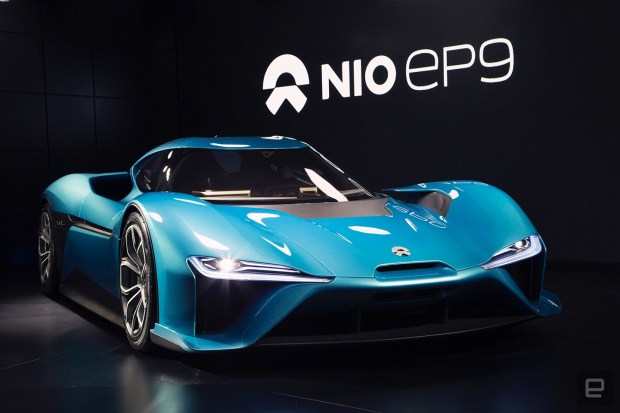
NextEV NIO EP9: fast green future

nioep9

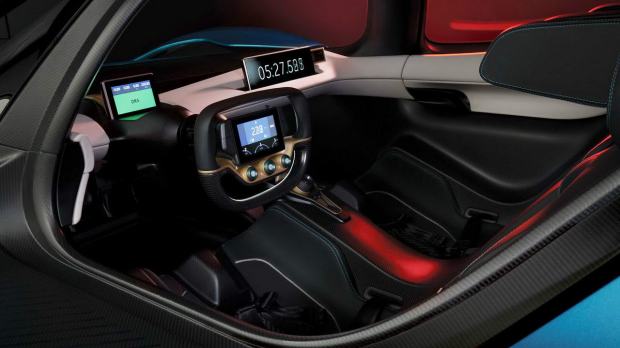
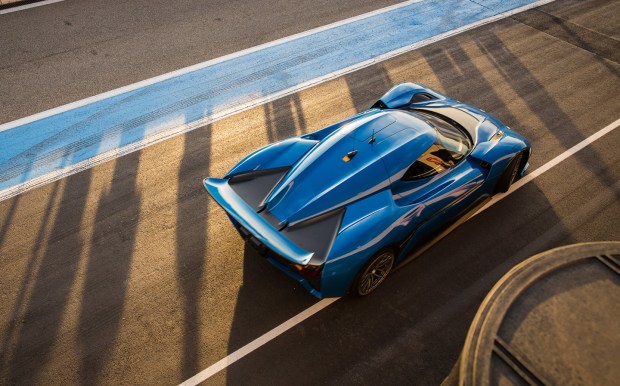
Chinese electric car start-up NextEV has launched a new sub-brand, called NIO, and its first car will be the EP9 an electric four-wheel-drive hypercar. Four high-performance motors (one for each wheel) and four individual gearboxes give the EP9 a 777-volt powertrain that develops 1 MW of power, equivalent to an astonishing 1341HP. The means the EP9 can accelerate from 0-200km/h in 7.1 sec. and has a top speed of 313km/h. The electric EP9 can be charged to full in 45 minutes (though its interchangeable battery system could allow the cells to be swapped out in just eight minutes) and it has a claimed range of 427km. A carbon cockpit and chassis aims to cut weight, which is vital because, thanks to that battery supply, at 1735kg the EP9 comes in almost 200kg heavier than a LaFerrari. (credit: www.wired.co.uk)

nioep9_int

La start-up automobilistica cinese NextEV ha lanciato un nuovo marchio chiamato NIO, e la sua prima vettura sarà la EP9 una hypercar quattro ruote motrici elettriche. Quattro motori ad alte prestazioni (uno per ogni ruota) e quattro cambi individuali danno alla EP9 un propulsore da 777 volt che sviluppa 1 MW di potenza, pari al sorprendente valore di 1341CV. Questo significa che la EP9 può accelerare da 0-200km/h in 7.1 secondi e raggiungere una velocità massima di 313 chilometri all’ora. La EP9 elettrico può essere caricata al massimo in 45 minuti (anche se il suo sistema di batterie intercambiabili potrebbe consentire un cambio in soli otto minuti) e ha una percorrenza dichiarata di 427 km. Un abitacolo e il telaio in carbonio permettono di ridurre il peso, dettaglio essenziale per fermare l’ago della bilancia a 1735kg rendendo la EP9 più pesante di una Ferrari LaFerrari di solo 200kg.

nioep9_back

Jaguar I-Pace: stylish, fast and electric

HyperFocal: 0

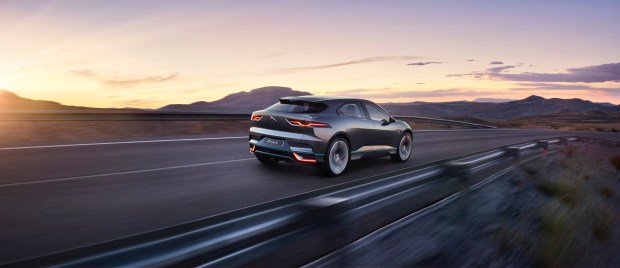
La Jaguar I-Pace è al suo debutto al Salone di Los Angeles e prefigura il primo vero veicolo solo elettrico di Jaguar. La taglia SUV gli permetterà di rivaleggiare con la recente Tesla Model X, anche se con un profilo più slanciato, e questo pare sarà il principio che verrà seguito. La nuova vettura avrà un’autonomia per singola carica di circa 498km, e sarà in grado di accelerare da 0-100km/h in circa quattro secondi, il che significa che sarà rivale delle principali auto sportive. Il sistema 4WD della I-Pace userà una coppia di motori elettrici che produrranno circa 400CV, il tutto alimentato da un pacco batterie agli ioni di litio di 90 kWh. Jaguar dichiera che avrà “una dinamica di guida agile e precisa come ancora non visto su un veicolo elettrico”. Con una iniziativa simile a quella di Tesla con la sua Model3, Jaguar invita i potenziali clienti a segnalare il loro interesse sul sito web. Il SUV Jaguar a cinque posti sarà in vendita nel 2018 – il prezzo è ancora da definire – e si dice per il progetto abbiano lavorato sovvertendo le regole classiche della progettazione per “creare un’architettura elettrica su misura, abbinata ad un design di grande effetto”. Ian Callum, Direttore del Design di Jaguar, ha detto: “L’I-Pace Concept rappresenta la prossima generazione di progettazione dei veicoli elettrici. E’ un design di grande personalità, proiettato nel futuro con un bellissimo interno -. Il frutto del vero DNA Jaguar, tecnologia elettrica e artigianalità contemporanea “Dal punto di vista pratico, Jaguar dice che una carica rapida su un caricabatterie DC 50 KW avrà solo più di due ore, offrendo una gamma di almeno 220 miglia, e fino a 310 miglia. Inoltre, per principio le auto elettriche possano essere realizzate in modo efficiente (le batterie alloggiano nel pavimento della vettura ed i motori elettrici sono molto più piccoli di un motore convenzionale) quindi la I-Pace ha più spazio all’interno del SUV recentemente lanciato, la F- Pace, pur essendo esteriormente più compatto. Inclusi quindi anche 530 litri di spazio per i bagagli nel bagagliaio, e molto di più sotto il cofano anteriore della vettura. Il posizionamento delle batterie nella base della vettura ha il vantaggio di mantenere il baricentro in basso, a tutto vantaggio della maneggevolezza, che suggerisce l’I-Pace dovrebbe incarnare il motto di Jaguar di dinamiche di guida fluide.

HyperFocal: 0

The Jaguar I-Pace is making its debut at the LA motor show and will go on to be Jaguar’s first pure electric vehicle. It will have a SUV body to rival the recently launched Tesla Model X, but with a sleeker profile if this concept is anything to go by. The new car will have a range of 310 miles with a single charge, and will be able to accelerate from 0-62mph in about 4 seconds, meaning it will rival all but the very quickest of sports cars. The AWD I-Pace will use a pair of electric motors that will produce close to 400bhp, all powered by a 90 kWh lithium-ion battery pack. Jaguar boasts that it will have “precise, agile driving dynamics as yet unseen on an electric vehicle”. Similar to Tesla’s initiative with the Model3 electric car, Jaguar is inviting potential customers to register their interest online at its website. Jaguar’s five-seat SUV will go on sale in 2018 – the price is yet to be announced – and is said to have been created as a result of the company’s design and engineering teams tearing up the rule book to “create a bespoke electric architecture, matched with dramatic design”. Ian Callum, Jaguar’s Director of Design, said: “The I-Pace Concept represents the next generation of electric vehicle design. It’s a dramatic, future-facing cab-forward design with a beautiful interior – the product of authentic Jaguar DNA, electric technology and contemporary craftsmanship.” On the practical side, Jaguar says that a rapid charge on a 50 KW DC charger will take just over two hours, delivering a range of at least 220 miles, and as much as 310 miles. In addition, because electric cars can be so efficiently packaged (the batteries sit under the floor of the car and the electric motors are much smaller than a conventional engine) the I-Pace has more room inside than Jaguar’s recently launched SUV, the F-Pace, despite being smaller on the outside. That includes 530 litres of luggage space in the boot, plus more under the bonnet of the car. Placing the batteries in the base of the car has the added benefit of keeping its centre of gravity low, to the benefit of handling, which suggests the I-Pace should live up to Jaguar’s claim of agile driving dynamics.

jaguar_i-pace_concept_int

Microlino: the electric Isetta

Microlino_side

La citycar elettrica Microlino, il cui design prende dichiaratamente spunto dalla Isetta degli anni 50, sembra verrà costruita in Italia. L’azienda svizzera Micro Mobility System di Küsnacht, ha infatti sottoscritto una joint venture con la Tazzari EV di Imola. Quest’ultima, infatti è parte di un gruppo industriale con ben 260 dipendenti, e produce da circa dieci anni microcar elettriche con oltre 1.300 esemplari venduti ad oggi. Sembra che i creatori di questa simpatica vetturetta abbiano già raccolto 1.500 ordini a scatola chiusa. L’accordo prevede che la produzione sarà avviata per fine del 2017; la Tazzari curerà la commercializzazione per il mercato italiano, mentre la Micro si occuperà in proprio degli altri mercati europei. La Microlino è omologata come quadriciclo pesante (L7e), ha la carreggiata posteriore strettissima come la Isetta, e come la progenitrice è accessibile dal portellone frontale.  Conta due posti, motore elettrico (da 15 kW) e trazione posteriore.  L’autonomia stimata, garantita da batterie agli ioni di litio, è di 100 km mentre la velocità massima dovrebbe essere di 90 km/h. Prezzo (per ora) indicativo: circa 12 mila euro.

The electric city car Microlino, whose design takes inspiration from the Isetta in the 50s, seems will be built in Italy. The Swiss company Micro Mobility System of Küsnacht, has signed a joint venture with the Tazzari EV located in Imola. Tazzari EV in fact, is part of an industrial group with up to 260 employees, and has a ten years business in electric microcar with over 1300 units sold. It seems that the creators of this nice little car have already collected 1500 orders. The agreement provides that the production will start by the end of 2017; Tazzari will handle sales for the Italian market, while the Micro will follow the other European markets. The Microlino is approved as a heavy quadricycle (L7e), the rear is very narrow as the Isetta, and as the progenitor is accessible from the unique front door. It has two seats, 15 kW electric motor and rear wheel drive. The estimated range, guaranteed by lithium-ion batteries, is 100 km and top speed should be 90 km/h. Indicative price: about 12000 euro.


Electric GT – Ferrari 308 GTE: green with style

ferrari_308_gte_01

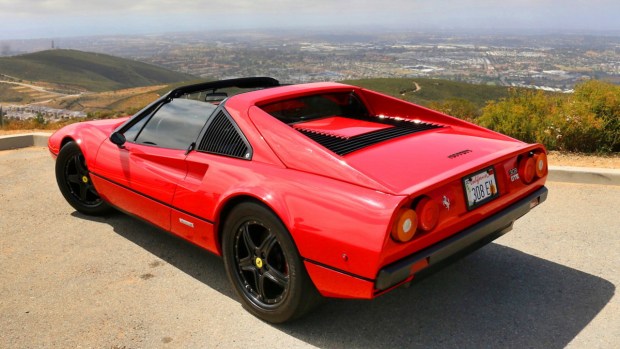
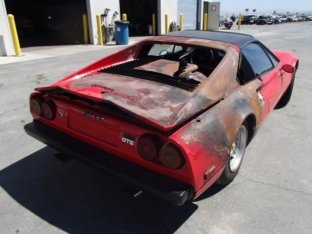
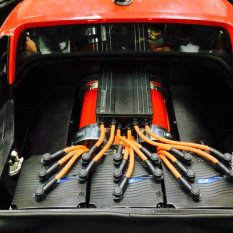
An half burned Ferrari 308 GTS saved from the graveyard. Guys at Electric GT have made a great job, giving a new life to this Pininfarina design creature. A crazy cool project making an electric Ferrari with 415 HP, a 5 speed Porsche gearbox (in order to work with the torque of the new engine), a top speed of 156MPH and a range of 100 miles (with the Li-Ion 28.5kWh battery) next to become 200 miles range with a new 75kWh pack.

ferrari_308_gte_02

Una Ferrari 308 GTS mezza bruciata salvata dal cimitero. I ragazzi alla Electric GT hanno fatto un grandioso lavoro dando a questa creatura disegnata da Pininfarina una nuova vita. Un progetto folle e affascinante quello di costruire una Ferrari elettrica con ben 415CV, un cambio manuale Porsche (per reggere la coppia del nuovo motore elettrico), una velocità massima di circa 250km/h e un’autonomia di circa 150km (con le attuali batterie Li-Ion da 28.5kWh) che presto dovrebbero diventare 300km nuove batterie da 75kWh.

ferrari_308_gte_08

ferrari_308_gte_11

Tesla new Model S: left the grill behind

tesla-model-s-restyling-2016_front

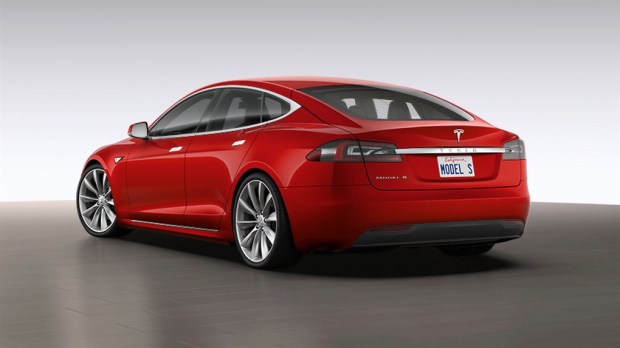
And so Tesla is giving the Model S a new face, a Model 3 face. A new look, near to the baby Tesla, no grill couse you don’t need it if you don’t have to cool a gasoline engine. The other major new part is the 48 Ampere charger (the same of the Model 3) instead of the old 40 Ampere, this gives a shorter charging time at Tesla stations.

tesla-model-s-restyling-2016_side

Tempo di restyling per la Model S, Tesla le sta dando un frontale più a tema con la Model 3, la nuova baby Tesla. Nessuna mascherina perchè non serve una griglia quando non hai un motore a carburante da raffreddare. L’altra novità di rilievo è il nuovo caricatore da 48 Ampere (come sulla Model 3) al posto del precedente da 40, questo permette di avere tempi di ricarica più brevi ai supercharger.

tesla-model-s-restyling-2016_back

Tesla Model 3: the next big step

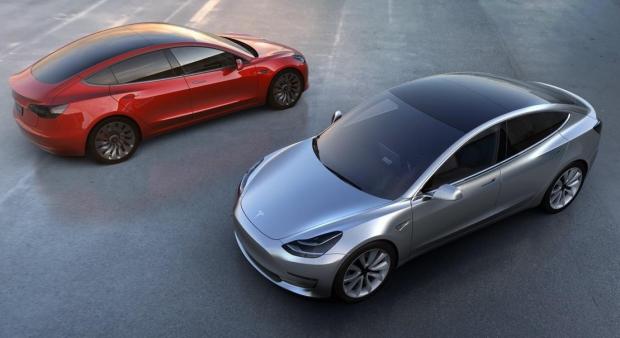
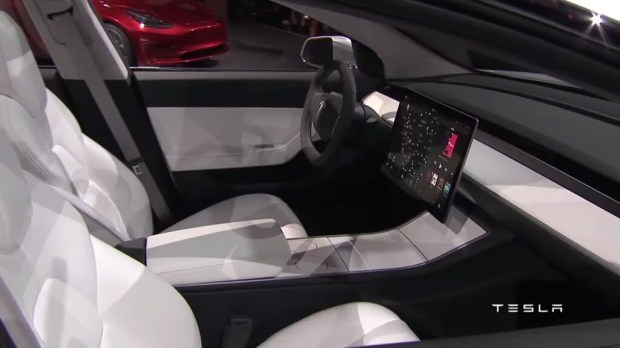
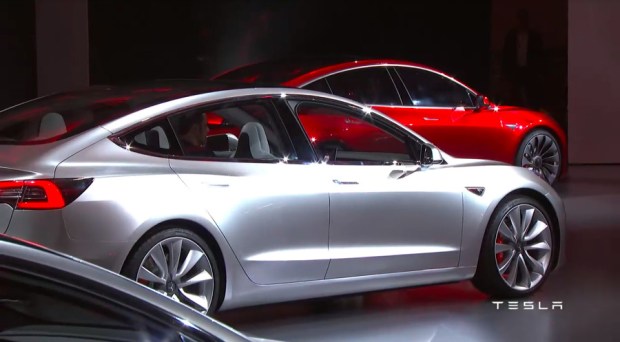
Here We are! Tesla Model 3 is coming! With a 35000$ price tag and a 215 miles (345km) range. Elon Musk started his presentation of the upcoming new car with 130.000 pre-orders in less than 24 hours! So future is coming with the next big step by Tesla. First arrivals in 2017.

Tesla_model3

Ci siamo! Tesla model 3 sta arrivando! Confermando il prezzo (americano) di 35000$ (facilmente 40000 euro da noi) e con un’autonomia di almeno 345km (che Tesla conta di migliorare). Elon Musk ha cominciato la presentazione del nuovo modello in arrivo con già 130000 pre-ordini in meno di 24 ore! Il futuro si avvicina con un altro grande passo di Tesla. Prime consegne a 2017 inoltrato.

Tesla-Model-3-interior

Tesla-Model-3-side

Porsche Mission E concept: Stuttgart goes electric

porsche_mission_E_front

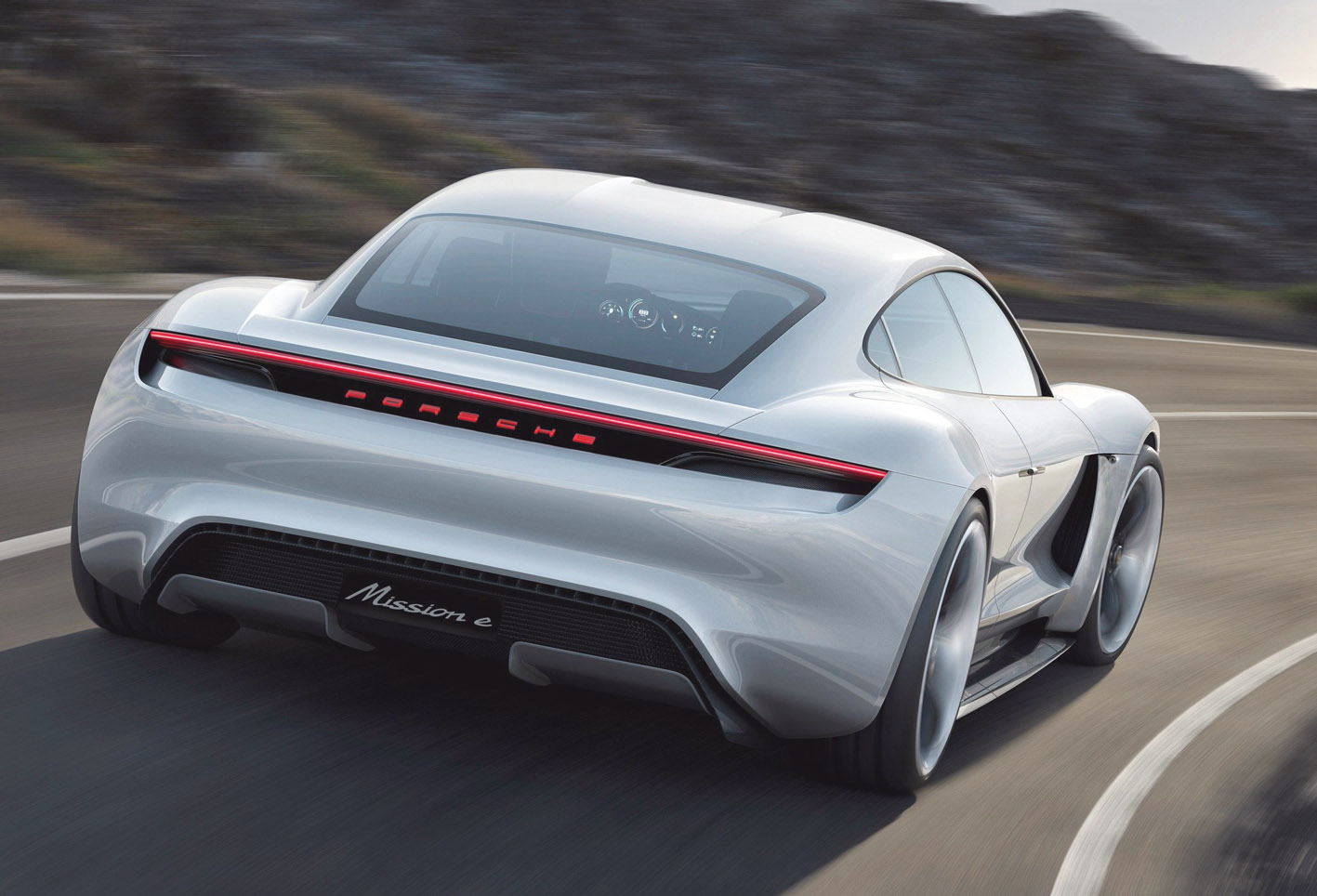
All’edizione 2015 del IAA a Francoforte Porsche ha presentato un prototipo che sfrutta le tecnologie che hanno permesso la vittoria a Le Mans. La Mission E, questo il nome del prototipo, grazie a due motori elettrici in grado di erogare una potenza complessiva di 600 cavalli, scatta da 0 a 100 in 3,5 secondi e da 0 a 200 in meno di 12 secondi. L’autonomia e i tempi di ricarica dovrebbero essere straordinari, ottenuti grazie al raddoppio della tensione e introducendo la tecnologia a 800 volt: la Mission E, infatti, può percorrere più di 500 km e la batteria è ricaricabile in soli 15 minuti con l’energia sufficiente a percorrere altri 400 km circa.

porsche_mission_E_side

At the 2015 edition of the IAA in Frankfurt Porsche presented a prototype that uses the technology that allowed the victory at Le Mans. The Mission E, this is the prototype name, thanks to two electric motors capable of supplying a total power of 600HP, accelerates from 0 to 100 km/h in 3.5 seconds and from 0 to 200 km/h in less than 12 seconds. The range and recharge time should be extraordinary, obtained thanks to the doubling of voltage and introducing 800 volts technology. The Mission E, in fact, can travel more than 500 km and the battery can be recharged in just 15 minutes with enough energy to travel another 400 km.

porsche_mission_E_back

Audi R8 e-tron piloted driving concept: ultimate self driving machine from Ingolstadt

audi-r8-e-tron-FRONT

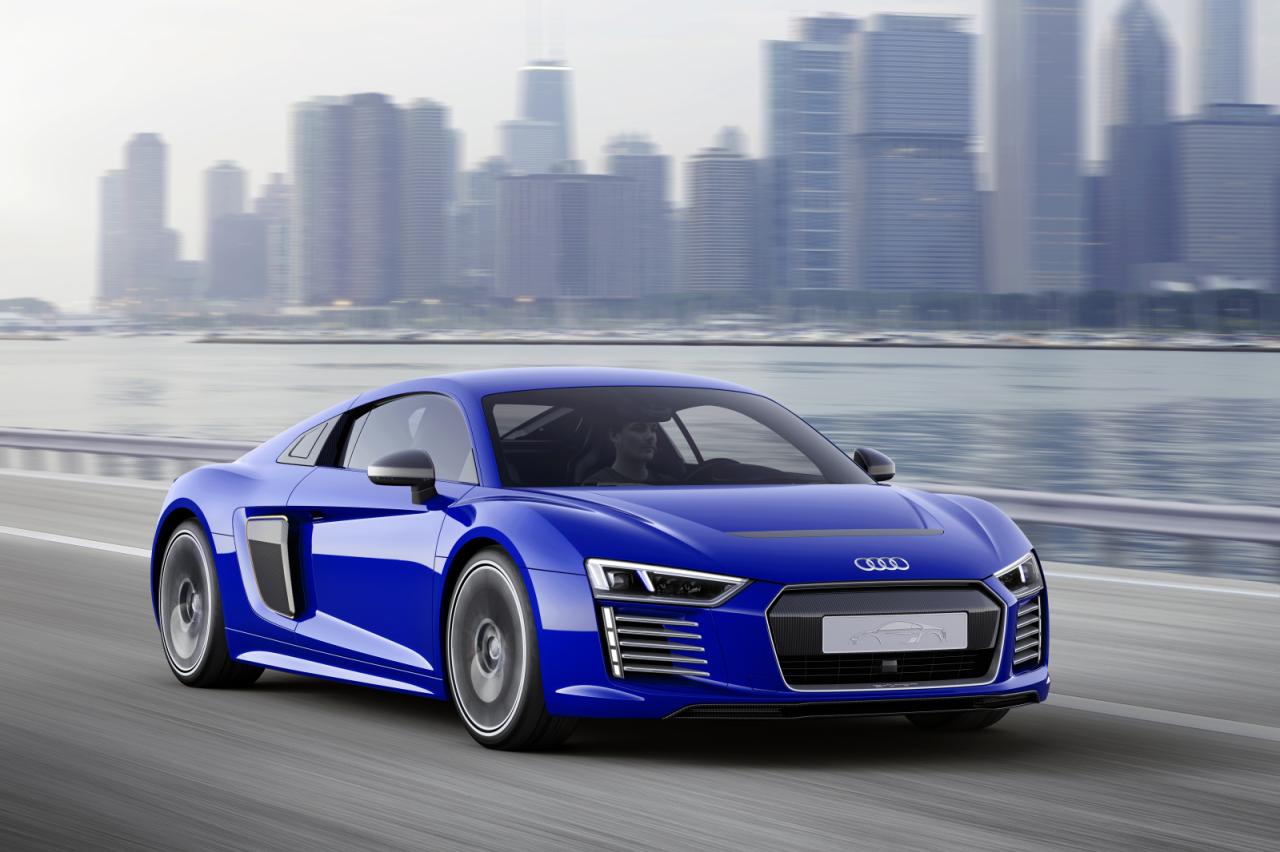
Audi presents its latest innovations at CES Asia: Audi R8 e-tron Piloted Driving Concept. The car in part is the car that we already know with two electric motors with a 460CV output and 920 Nm of torque and which allows acceleration from 0 to 100km/h in 3.9 seconds. Through the integrated battery pack, the range is 450 km and top speed is 250 km/h. The real novelty is the introduction of a number of elements for semi-autonomous driving, technologies that we will find in auto production within the next two years. The control called zFAS manages ultrasonic sensors, radar, laser scanners and cameras that are monitoring road traffic and other vehicles. This is the same technology already tested on the Audi A7 “piloted drive” concept. Finally, the R8 e-tron uses CCS (Combined Charging System) which allows you to recharge the battery in less than two hours and using direct and alternating current.

audi-r8-e-tron-SIDE

Audi presenta al CES Asia l’ultima novità: Audi R8 e-tron Piloted Driving Concept. L’auto in parte è quella che già conosciamo con una coppia di motori elettrici che in totale eroga 460CV e 920 Nm di coppia massima e che permette un’accelerazione da 0 a 100 in 3.9 secondi. Tramite il pacco batterie integrato, l’autonomia è di 450 chilometri mentre la velocità massima è di 250 km/h. La vera novità è l’introduzione di una serie di tecnologie per la guida semi-autonoma, tecnologie che troveremo nelle auto da produzione entro i prossimi due anni. La centralina di controllo denominata zFAS gestisce sensori ultrasonici, radar, scanner laser e videocamere che si occupano di monitorare strada e traffico degli altri veicoli. Si tratta della stessa tecnologia utilizzata già testata sulla concept Audi A7 “piloted drive”. Infine la R8 e-tron utilizza la tecnologia CCS (Combined Charging System) che permette di ricaricare la batteria in meno di due ore e di caricare l’auto sia a corrente continua che alternata.

audi-r8-e-tron-BACK