zero emission

Vespa Elettrica Concept: classic, iconic, green

piaggio_vespa_elettrica

At EICMA 2016, Piaggio just unveiled the Vespa Elettrica Concept. As the name says the gas motor and fuel tank are gone, now it has an electric motor and a battery pack. Same experience of riding of the Italian classic with zero emissions. A company spokesman told that “the style, agility, ease of use and riding pleasure will be the same as the Vespa we have always known.” The Elettrica will be the first electric scooter that Piaggio has released in 70 years. It’s expected that Piaggio will start producing the Elettrica in late 2017 ahead of the launch in 2018. While Piaggio didn’t announce an official price tag, some are guessing that the Elettrica will line up with other Vespas at the top. Maybe it won’t be cheap, sure You can find much less expensive electric scooters on the market already, but… well, none of them have a Vespa badge.


Ad EICMA 2016, Piaggio appena ha svelato la Vespa Elettrica Concept. Come dice il nome serbatoio e motore termico hanno ceduto il posto ad un motore elettrico e un pacco batteria. Stessa esperienza di guida del classico scooter ma con emissioni zero. Un portavoce della società ha detto che “lo stile, l’agilità, la facilità d’uso e il piacere di guida saranno gli stessi della Vespa che abbiamo sempre conosciuto.” Elettrica sarà il primo scooter elettrico che Piaggio ha prodotto in 70 anni. Si prevede che la Piaggio inizierà a produrre la Elettrica verso la fine del 2017 in vista del lancio nel 2018. Anche se Piaggio non ha comunicato un prezzo ufficiale, molti suppongono che la Elettrica si collocherà con le Vespa al top di gamma. Forse non sarà a buon mercato e di sicuro potete trovare altri scooter elettrici più economici presenti sul mercato, ma… come dire, nessuno di loro si chiama Vespa.

Elettra Stone 2.0: the italian green enduro

elettra-stone-2-18-ridotta

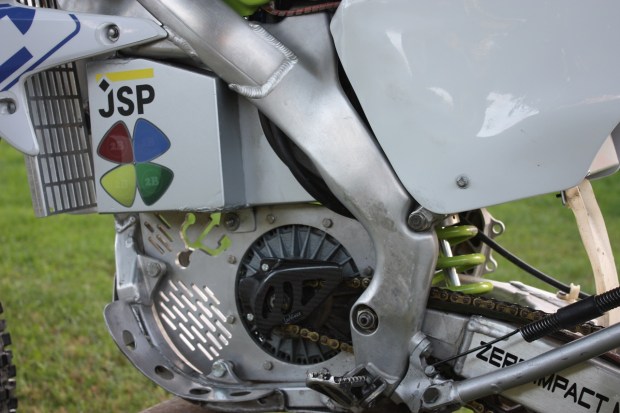
Sarà presente al prossimo EICMA questa enduro elettrica denominata Elettra Stone 2.0 (un chiaro omaggio alla Stone 1.0 di Ro.Bo). Questa enduro è un nuovo segno del genio italico applicato al tema della moto green, dimostrazione che una buona idea può crescere anche senza risorse stellari ma con l’impegno e la cura sartoriale tipica del made in Italy. Questo prototipo parte dalla conversione di una Honda CRF250X a cui il team della Elettra ha applicato un nuovo motore elettrico a magneti permanenti e flusso assiale con una potenza programmabile fino 30CV e una coppia fino a 65N/m raffreddato ad aria e con un peso di soli 11kg. Le tre batterie collegate in serie (fornite da DUEBI di Buzzi Andrea) a polimeri di litio da 105Ah consente un’autonomia di ben 120km nell’uso stradale e 80km in modalità di gara e possono essere ricaricate completamente dalla normale rete domestica in 7/8 ore (al costo massimo di 1,50 euro). La velocità massima, in base al rapporto usato, varia dagli 80Km/h fino ai 120km/h ma credo che questo dato sia forse quello meno importante per un mezzo che riesce a fermare l’ago della bilancia a 113kg e a non produrre un grammo di co2. Il comportamento complessivo è paragonabile ad una valida enduro con motore 250cc 4T. Indubbiamente richiede un grosso cambio di mentalità l’assenza delle marce, la potenza è tutta gestita elettronicamente e permette di concentrarsi solo sul percorso e di godersi l’ambiente circostante nel silenzio. Si può davvero pensare che questo possa essere il futuro dell’enduro (e anche del cross) potendo girare liberamente nei boschi e potendo pensare a circuiti anche vicini ai centri abitati. Una tecnologia che può solo migliorare, una tecnologia che avvicina il futuro della mobilità (anche quella per il divertimento) al presente. Resta solo da attendere questo gioiello nelle concessionarie.

moto-elettrica-da-enduro-elettra-9-ottobre-2016-5

We will see it at the next EICMA edition, this enduro bike called Elettra Stone 2.0 (a tribute to the Stone 1.0 by Ro.Bo). This enduro bike shows the italian genius at work on a green bike without the power of big budget, a cool job that shows the power of made in Italy. This prototype starts from a Honda CRF250X with a new air-cooled electric engine with permanent magnets and axial flow with a programmable output up 30hp and torque of up to 65N/m and with a weight of only 11kg. The three lithium polymer batteries (105Ah) connected in series (provided by DUEBI) allow a range of 120km in regular use, and 80km in race mode and can be fully recharged from the normal home output in 7/8 hours (at the maximum cost of 1.50 €). Top speed may varies from 80 km/h up to 120km/h but I think this figure is perhaps the least important for a green bike with a weight of 113kg and not a gram of co2. The overall dynamic is comparable to a good enduro with a 250cc 4 stroke engine. Undoubtedly it requires a big change in mentality the lack of a gear box, the power is all electronically managed and allows to focus only on the trail and enjoy the outdoor in silence. You can really think that this could be the future enduro (and the motocross) being able to freely ride in the woods and thinking of circuits also close to residential areas. A technology that can only get better, a technology that brings the future of mobility (including fun mobility) to the present. It only remains to wait for this jewel in dealerships.

elettra-stone-2-7-ridotta

ItalJet Mantra/Bulldozer: high voltage vintage

italjet-electric-mantra

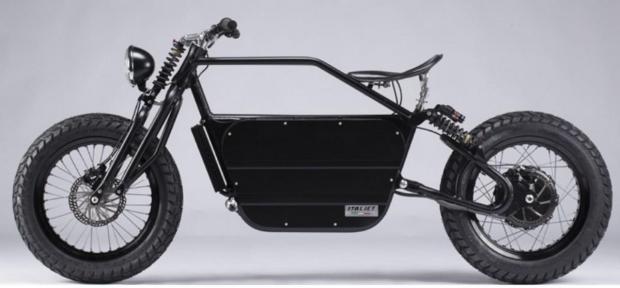
Crossing the thin line separating electric bicycles and electric motorcycles ItalJet is considering adding electric motorcycles to its line-up. The Mantra (& Bulldozer) is their latest project, a model with load of retro accents. With a style that recalls bike between the two world wars, the ItalJet Mantra has a strong appeal for the modern riders, as well. With a lot of leather work arriving from Brooks, the ItalJet Mantra is a eye catcher, while the black trim, springer fork and bobber tires add great looking style. A fashion statement of the higher taste and a highly functional, green commuting solution, ItalJet’s Mantra will be a real head-turner wherever it goes.


Superando la sottile linea che separa le bici elettriche dalle moto elettriche Italjet sta prendendo in seria considerazione l’inserimento di moto nella sua gamma. La Mantra (Bulldozer) è l’ultimo progetto, un modello con un carico di accenti retrò. Con uno stile che ricorda le motociclette prodotte tra le due guerre mondiali, l’Italjet Mantra sicuramente saprà attrarre anche biker moderni. Con un sacco dettagli in pelle prodotti da Brooks, l’Italjet Mantra attira lo sguardo, mentre la livrea nera, la forcella springer e le gomme bobber aggiungono grande stile all’insieme. Una dichiarazione di stile di gusto superiore e una soluzione altamente funzionale per chi vuol viaggiare green, La Mantra di Italjet farà girare le teste ovunque andrà.

italjet_bulldozer

Microlino: the electric Isetta

Microlino_side

La citycar elettrica Microlino, il cui design prende dichiaratamente spunto dalla Isetta degli anni 50, sembra verrà costruita in Italia. L’azienda svizzera Micro Mobility System di Küsnacht, ha infatti sottoscritto una joint venture con la Tazzari EV di Imola. Quest’ultima, infatti è parte di un gruppo industriale con ben 260 dipendenti, e produce da circa dieci anni microcar elettriche con oltre 1.300 esemplari venduti ad oggi. Sembra che i creatori di questa simpatica vetturetta abbiano già raccolto 1.500 ordini a scatola chiusa. L’accordo prevede che la produzione sarà avviata per fine del 2017; la Tazzari curerà la commercializzazione per il mercato italiano, mentre la Micro si occuperà in proprio degli altri mercati europei. La Microlino è omologata come quadriciclo pesante (L7e), ha la carreggiata posteriore strettissima come la Isetta, e come la progenitrice è accessibile dal portellone frontale.  Conta due posti, motore elettrico (da 15 kW) e trazione posteriore.  L’autonomia stimata, garantita da batterie agli ioni di litio, è di 100 km mentre la velocità massima dovrebbe essere di 90 km/h. Prezzo (per ora) indicativo: circa 12 mila euro.

The electric city car Microlino, whose design takes inspiration from the Isetta in the 50s, seems will be built in Italy. The Swiss company Micro Mobility System of Küsnacht, has signed a joint venture with the Tazzari EV located in Imola. Tazzari EV in fact, is part of an industrial group with up to 260 employees, and has a ten years business in electric microcar with over 1300 units sold. It seems that the creators of this nice little car have already collected 1500 orders. The agreement provides that the production will start by the end of 2017; Tazzari will handle sales for the Italian market, while the Micro will follow the other European markets. The Microlino is approved as a heavy quadricycle (L7e), the rear is very narrow as the Isetta, and as the progenitor is accessible from the unique front door. It has two seats, 15 kW electric motor and rear wheel drive. The estimated range, guaranteed by lithium-ion batteries, is 100 km and top speed should be 90 km/h. Indicative price: about 12000 euro.


Electric GT – Ferrari 308 GTE: green with style

ferrari_308_gte_01

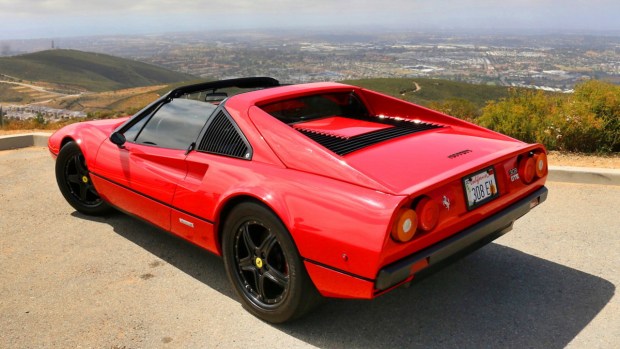
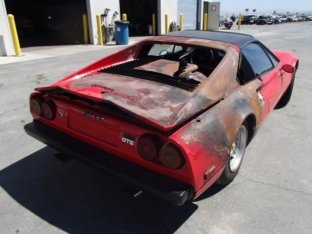
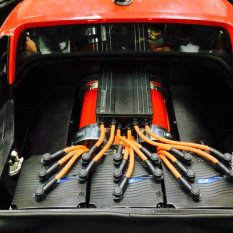
An half burned Ferrari 308 GTS saved from the graveyard. Guys at Electric GT have made a great job, giving a new life to this Pininfarina design creature. A crazy cool project making an electric Ferrari with 415 HP, a 5 speed Porsche gearbox (in order to work with the torque of the new engine), a top speed of 156MPH and a range of 100 miles (with the Li-Ion 28.5kWh battery) next to become 200 miles range with a new 75kWh pack.

ferrari_308_gte_02

Una Ferrari 308 GTS mezza bruciata salvata dal cimitero. I ragazzi alla Electric GT hanno fatto un grandioso lavoro dando a questa creatura disegnata da Pininfarina una nuova vita. Un progetto folle e affascinante quello di costruire una Ferrari elettrica con ben 415CV, un cambio manuale Porsche (per reggere la coppia del nuovo motore elettrico), una velocità massima di circa 250km/h e un’autonomia di circa 150km (con le attuali batterie Li-Ion da 28.5kWh) che presto dovrebbero diventare 300km nuove batterie da 75kWh.

ferrari_308_gte_08

ferrari_308_gte_11

Porsche Mission E concept: Stuttgart goes electric

porsche_mission_E_front

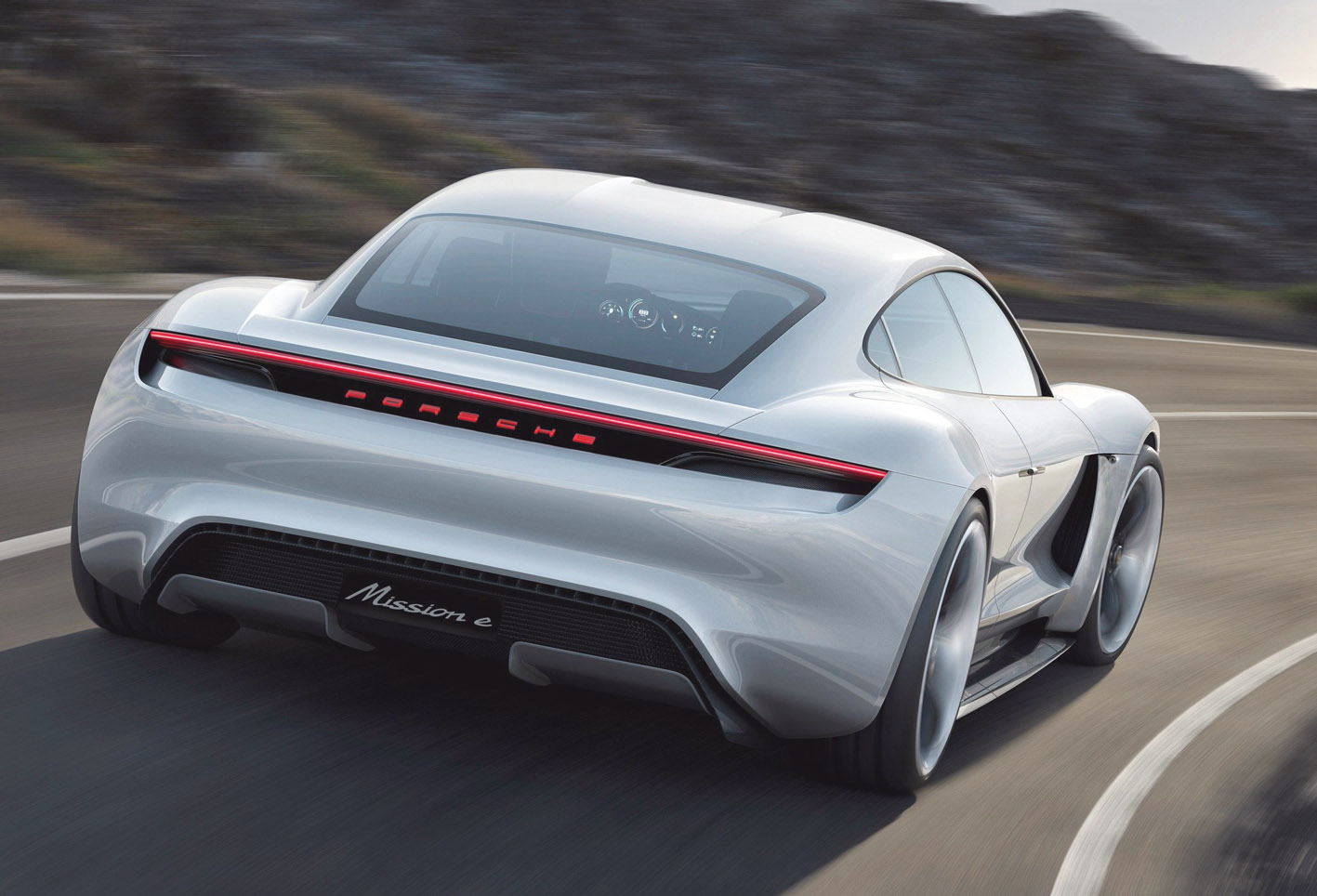
All’edizione 2015 del IAA a Francoforte Porsche ha presentato un prototipo che sfrutta le tecnologie che hanno permesso la vittoria a Le Mans. La Mission E, questo il nome del prototipo, grazie a due motori elettrici in grado di erogare una potenza complessiva di 600 cavalli, scatta da 0 a 100 in 3,5 secondi e da 0 a 200 in meno di 12 secondi. L’autonomia e i tempi di ricarica dovrebbero essere straordinari, ottenuti grazie al raddoppio della tensione e introducendo la tecnologia a 800 volt: la Mission E, infatti, può percorrere più di 500 km e la batteria è ricaricabile in soli 15 minuti con l’energia sufficiente a percorrere altri 400 km circa.

porsche_mission_E_side

At the 2015 edition of the IAA in Frankfurt Porsche presented a prototype that uses the technology that allowed the victory at Le Mans. The Mission E, this is the prototype name, thanks to two electric motors capable of supplying a total power of 600HP, accelerates from 0 to 100 km/h in 3.5 seconds and from 0 to 200 km/h in less than 12 seconds. The range and recharge time should be extraordinary, obtained thanks to the doubling of voltage and introducing 800 volts technology. The Mission E, in fact, can travel more than 500 km and the battery can be recharged in just 15 minutes with enough energy to travel another 400 km.

porsche_mission_E_back

Airbus E-Fan 1.0: future in flight technology

AIRBUS_eFan

Per la prima volta in queste mie pagine mi trovo a scrivere di aeroplani. Il 10 luglio 2015 il velivolo Airbus E-Fan a motorizzazione elettrica ha completato con successo i 74km di attraversata da Lydd in Inghilterra a Calais in Francia in 37 minuti. L’E-Fan 1.0 è un esempio di come anche gli aeroplani potranno avvalersi in futuro di motori ad impatto zero. Le forme di questo prototipo costruito in fibra di carbonio ricordano da vicino le linee di un aliante, l’apertura alare è di 9,50 metri e il peso a vuoto è di appena 500kg, comprensivi di un sistema a batterie con 120 celle polimeri di Litio con un’autonomia di circa 1 ora e due motori elettrici in grado di fornire una spinta di 1,5kN e portare ad una velocità massima di 220km/h.


For the first time in these pages I am writing about airplanes. On 10 July 2015, the Airbus E-Fan, an electric engined plane, has successfully completed the 74km flight from Lydd (England) to Calais (France) in 37 minutes. The E-Fan 1.0 is an example of how even the airplanes will benefit in the future of zero emission engines. The body of this carbon fiber built prototype closely resembles the lines of a glider, the wingspan is 9.50 meters and the empty weight is just 500 kg, including a battery system with 120 Lithium Polymer cells with a range of about 1 hour and two electric motors can provide 1,5kN of thrust and a maximum speed of 220km/h.

Audi R8 e-tron piloted driving concept: ultimate self driving machine from Ingolstadt

audi-r8-e-tron-FRONT

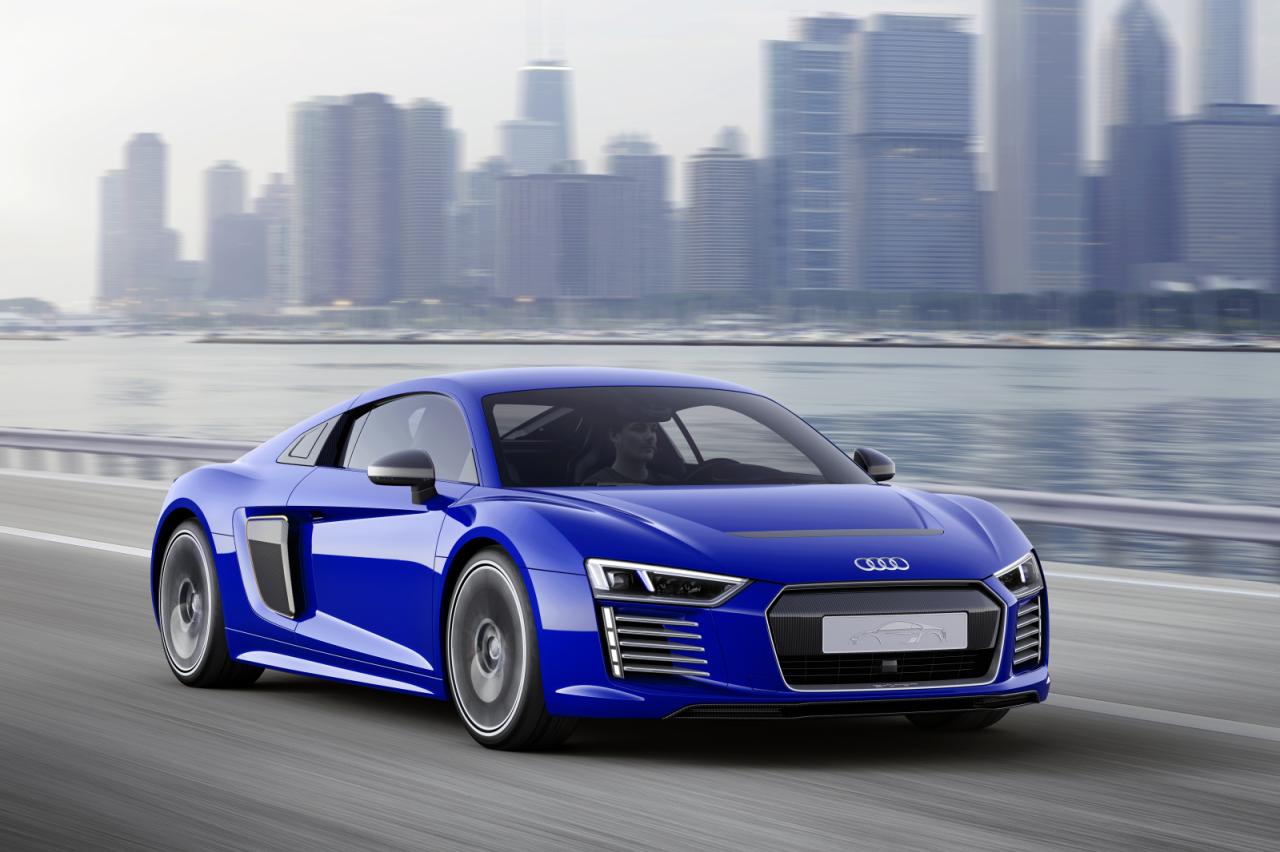
Audi presents its latest innovations at CES Asia: Audi R8 e-tron Piloted Driving Concept. The car in part is the car that we already know with two electric motors with a 460CV output and 920 Nm of torque and which allows acceleration from 0 to 100km/h in 3.9 seconds. Through the integrated battery pack, the range is 450 km and top speed is 250 km/h. The real novelty is the introduction of a number of elements for semi-autonomous driving, technologies that we will find in auto production within the next two years. The control called zFAS manages ultrasonic sensors, radar, laser scanners and cameras that are monitoring road traffic and other vehicles. This is the same technology already tested on the Audi A7 “piloted drive” concept. Finally, the R8 e-tron uses CCS (Combined Charging System) which allows you to recharge the battery in less than two hours and using direct and alternating current.

audi-r8-e-tron-SIDE

Audi presenta al CES Asia l’ultima novità: Audi R8 e-tron Piloted Driving Concept. L’auto in parte è quella che già conosciamo con una coppia di motori elettrici che in totale eroga 460CV e 920 Nm di coppia massima e che permette un’accelerazione da 0 a 100 in 3.9 secondi. Tramite il pacco batterie integrato, l’autonomia è di 450 chilometri mentre la velocità massima è di 250 km/h. La vera novità è l’introduzione di una serie di tecnologie per la guida semi-autonoma, tecnologie che troveremo nelle auto da produzione entro i prossimi due anni. La centralina di controllo denominata zFAS gestisce sensori ultrasonici, radar, scanner laser e videocamere che si occupano di monitorare strada e traffico degli altri veicoli. Si tratta della stessa tecnologia utilizzata già testata sulla concept Audi A7 “piloted drive”. Infine la R8 e-tron utilizza la tecnologia CCS (Combined Charging System) che permette di ricaricare la batteria in meno di due ore e di caricare l’auto sia a corrente continua che alternata.

audi-r8-e-tron-BACK

Noah’s GSX-E: cool home made green bike

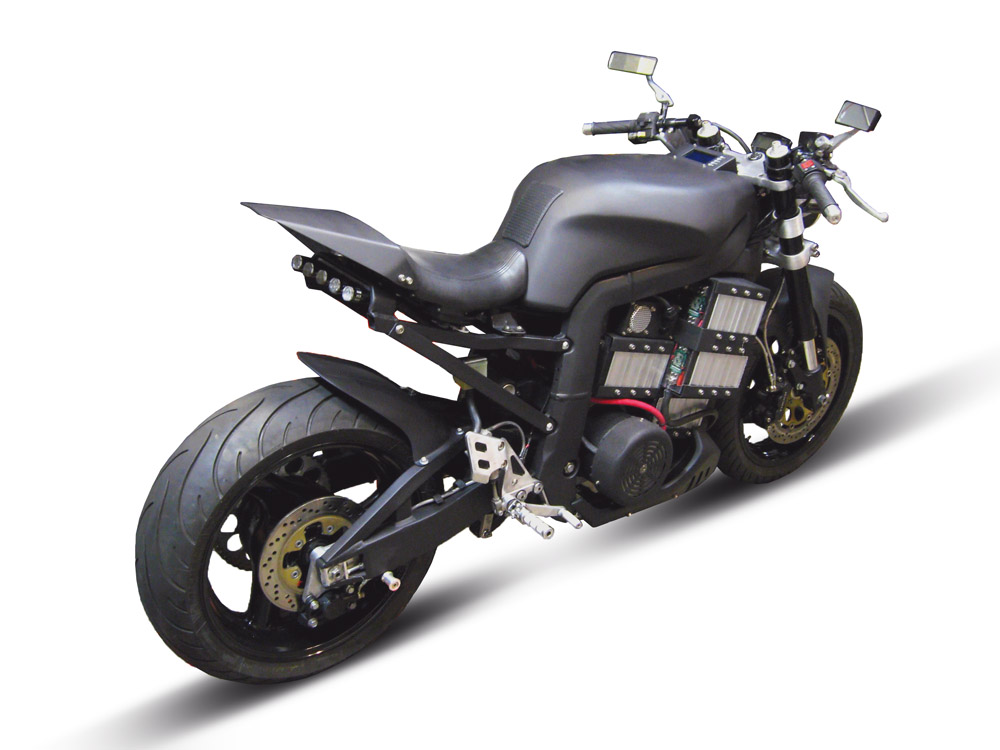
Here is a very cool project, the electric conversion of a 1993 Suzuki GSX-R to a green powered naked: the Noah’s GSX-E. Here the link to the web site with the big and complete job done: Noah’s Electric Motorcycle Project. The bike has a 3-phase AC induction motor with 40HP by HPEVS, 4,6kWh Lithium battery pack by GBS. The final result arrived on the road after about a year. A cool naked bike on the road, a green home made bike that deserves to be followed.

Noahs_GSX_E

Noahs_GSX_E_back

Ed ecco un progetto davvero notevole, la conversione di una Suzuki GSX-R del ’93 in una nuda ecologica con motore elettrico: la GSX-E di Noah. Ed ecco il link al sito web dove vedere tutto il grande lavoro svolto: Noah’s Electric Motorcycle Project. La moto monta un motore elettrico tri fase della HPEVS che eroga ben 40CV e un pacco batterie al Litio della GBS con capacità di 4,6kWh. Il risultato finale è stato raggiunto in un anno di lavoro. Una bellissima nuda ecologica e fatta in casa che merita d’esser seguita.

Cool finnish technology: Toroidion 1MW Concept

Toroidion_1MW_Concept_11

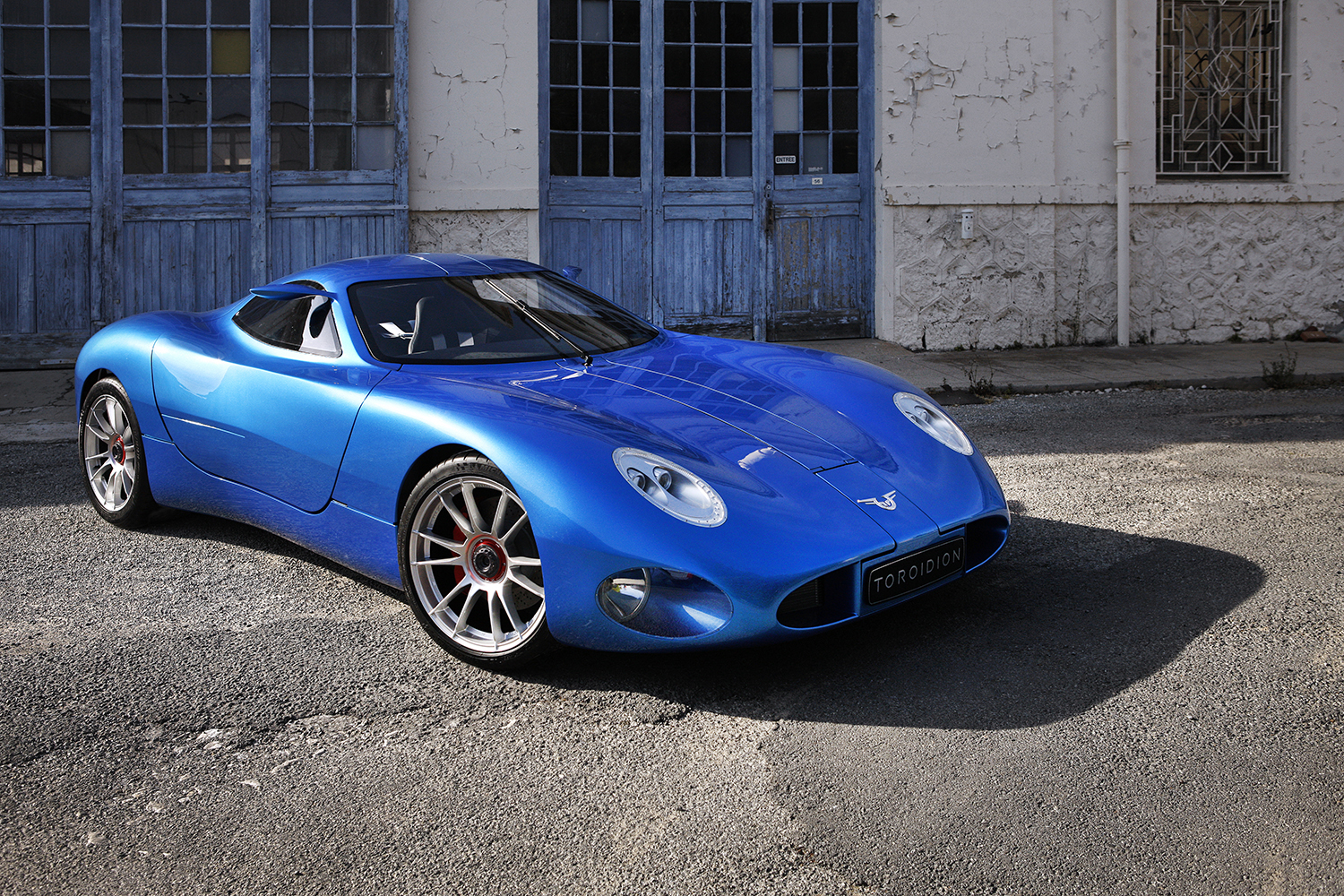
The Toroidion 1MW Concept is a cool green sportscar that has an innovative powertrain and was launched at Top Marques Monaco 2015,  this car is street-legal and has been designed, developed and built entirely in-house in Finland as you can read on the company web page (http://www.toroidion.com/).  Its all-new electric powertrain has been designed to be scalable in power for different applications. The high-capacity battery of this car can be as easily replaced in the pit-lane as it is in the home garage.

Toroidion_1MW_Concept_10

La Toroidion 1MW concept è una sportiva green con un’innovativo gruppo motore-batterie che è stata presentata al Top Marques 2015 a Montecarlo. E’ una vettura omologata per l’uso su strada completamente studiata, progettata e assemblata in Finlandia come è possibile leggere sul sito della casa (http://www.toroidion.com/). Il pacco batterie può essere facilmente cambiato sulla pit-lane come nel vostro garage.