It wasn’t impossible to resist, as a former graphic designer I was too curious about generative AI using Gemini, Chat GPT or Grok.
So here some examples. Car prototypes just describing them. Interesting? I think so.
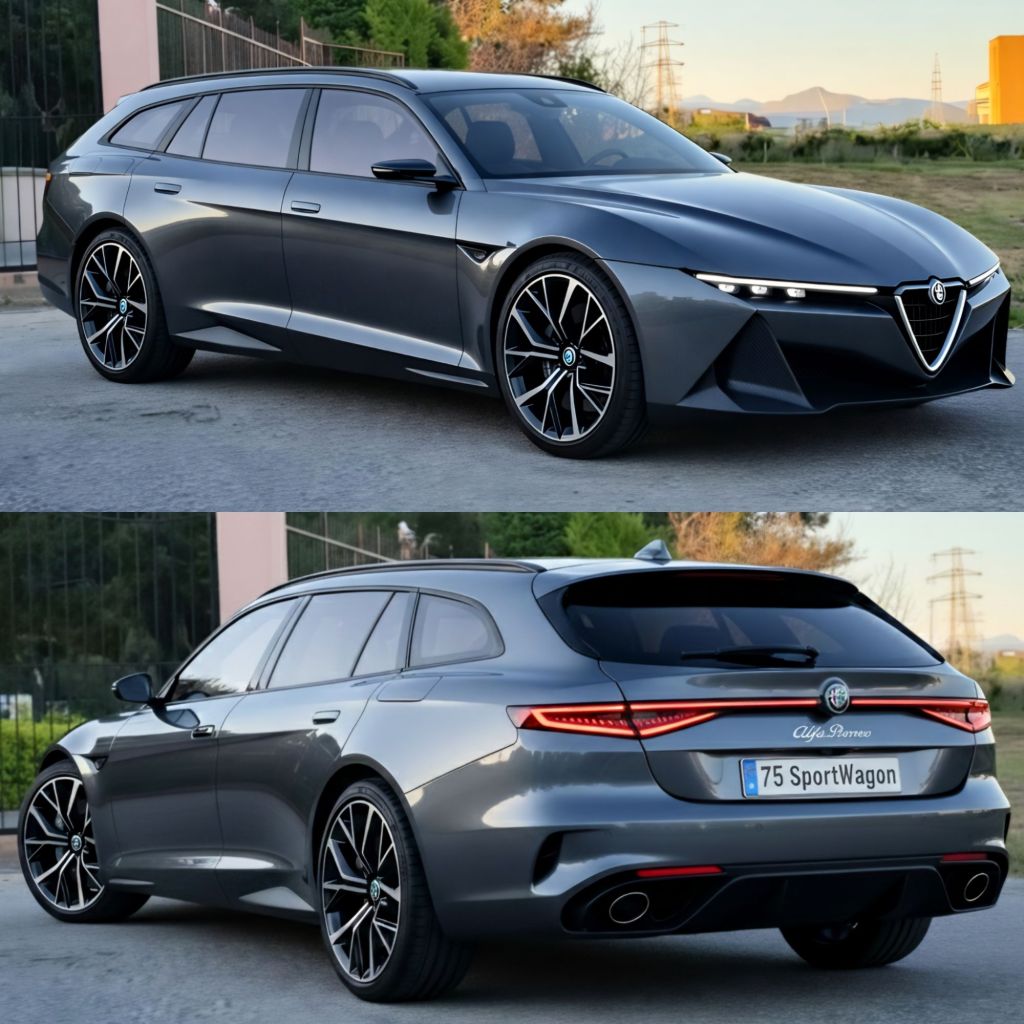

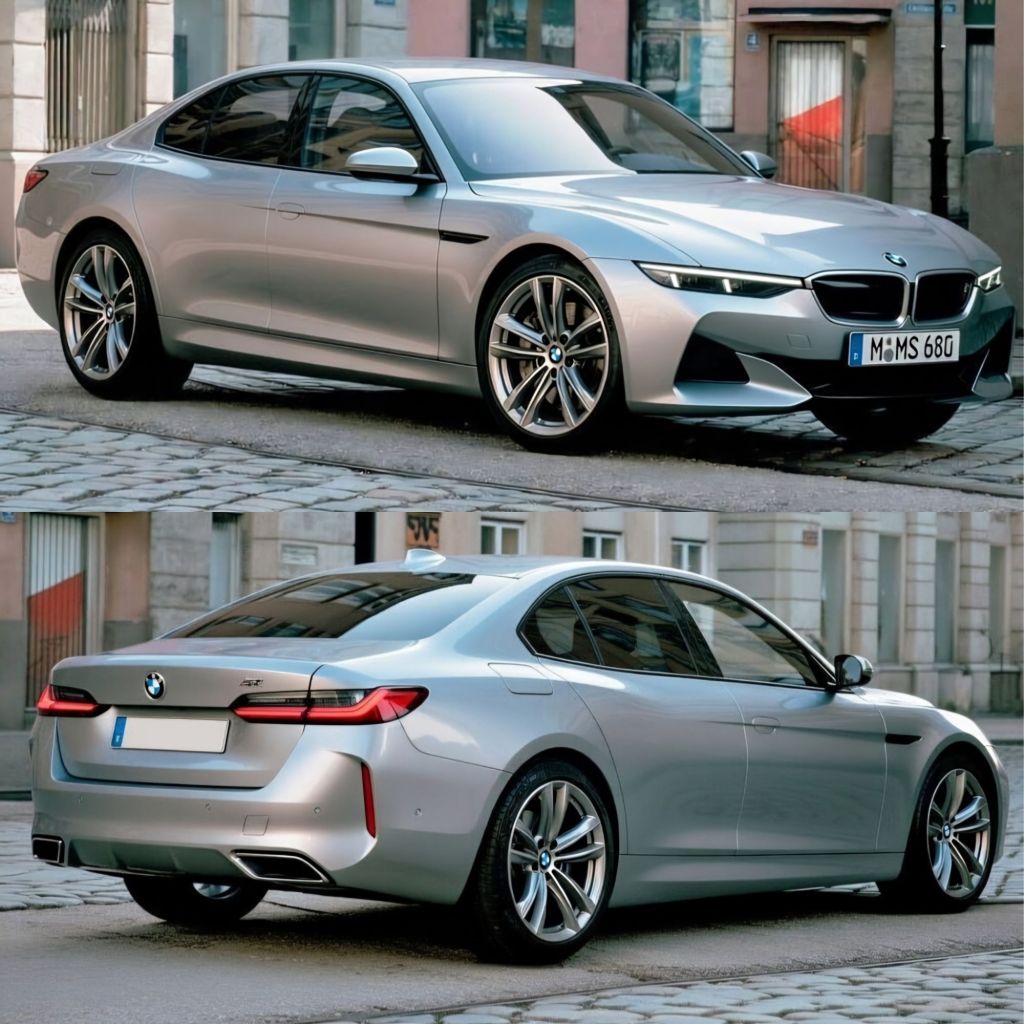
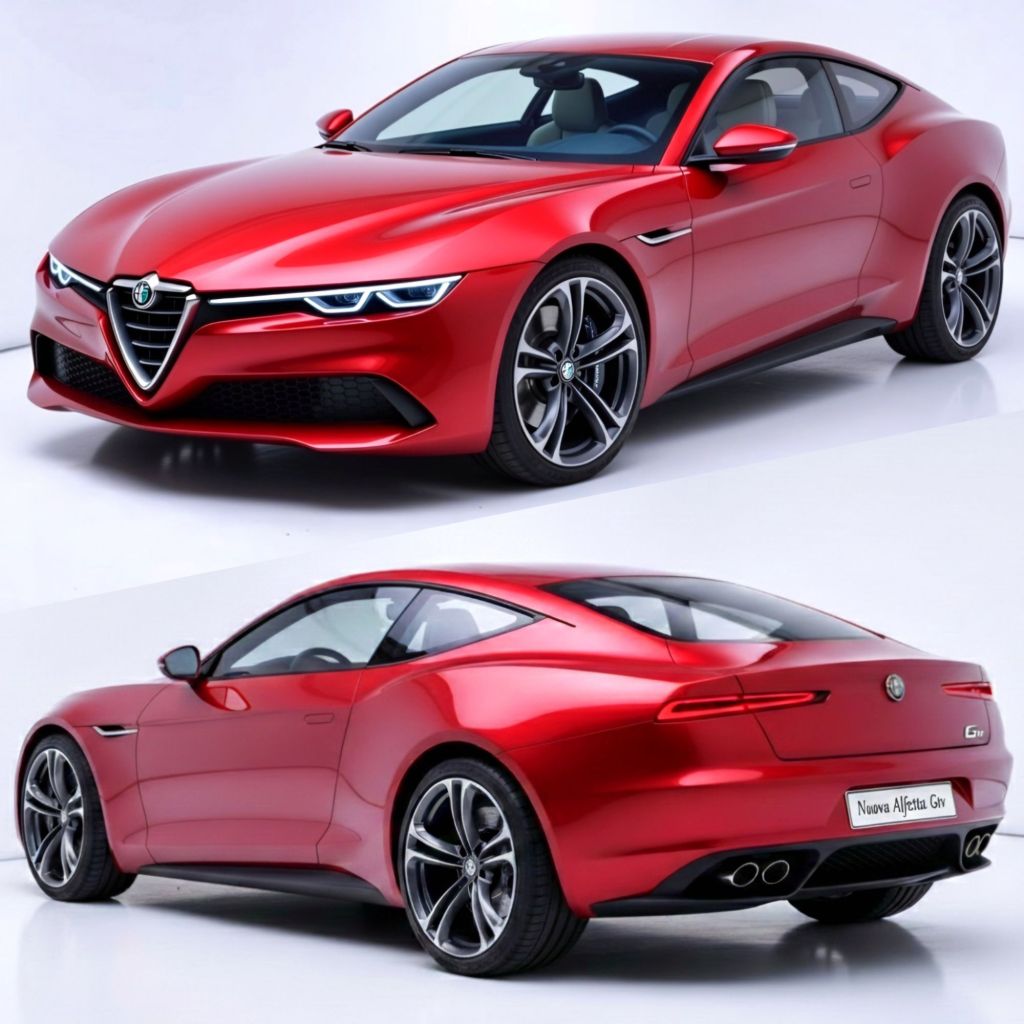
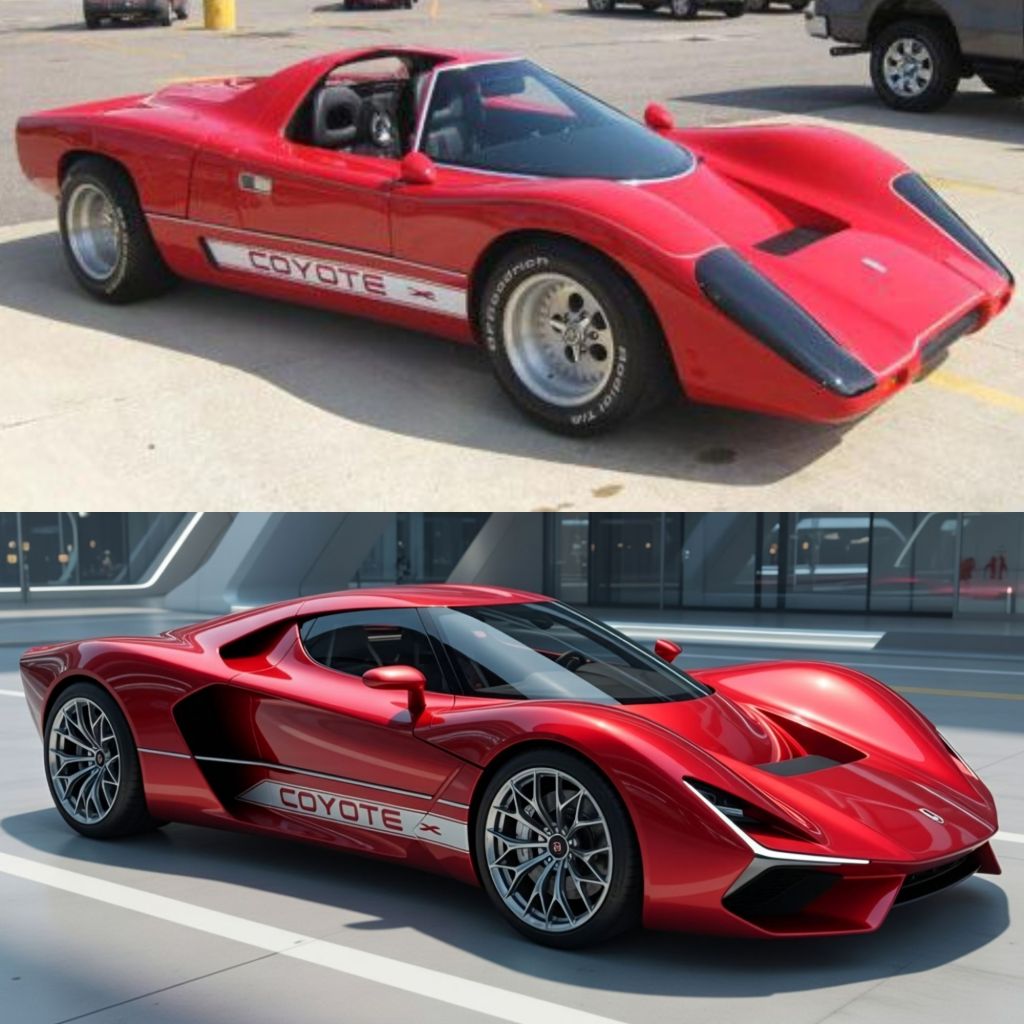
It wasn’t impossible to resist, as a former graphic designer I was too curious about generative AI using Gemini, Chat GPT or Grok.
So here some examples. Car prototypes just describing them. Interesting? I think so.

Top 4 best-selling electric cars in Europe
These cars represent some of the best examples of electric vehicles available on the European market. Each offers a unique blend of performance, comfort, style and sustainability.
Le 4 auto elettriche più vendute in Europa
Queste auto rappresentano alcuni dei migliori esempi di veicoli elettrici disponibili sul mercato europeo. Ognuna di esse offre un mix unico di prestazioni, comfort, stile e sostenibilità.

DeLorean is coming back and it will be electric. The countdown is flowing on delorean.com

The idea looks as simple as cool, taking an ultra classic british car and transforming it in a sophisticated and stylish electric car. In a world with some good companies converting vintage cars, the approach at RBW is quite different, the car looks like an MG but it isn’t an MG. The car has a brand new body shell. At RBW Electric Classic Sports Cars they developed an electric system that could be easily applied to different classic cars keeping a clear focus on safety. The project started finding the right company to work with: Zytek Automotive a company that is part of Continental AG. So the final result is that the company has brought together the very best in classic car craftsmanship and 21st century technologies. A perfect blend of high-quality components, race-winning EV engineering and proven reliability. Obviously each car is made following the customer desires as tradition teaches.
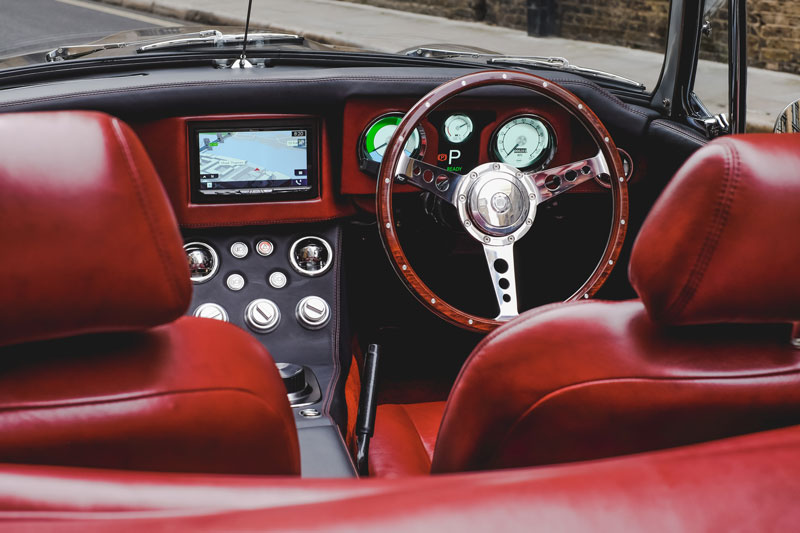
L’idea sembra semplice quanto affascinante, prendere un’ultra classica auto britannica e trasformrla in un’auto elettrica sofisticata ed elegante. In un mondo dove ci sono alcune buone aziende che trasformano auto d’epoca, l’approccio alla RBW è molto diverso, l’auto assomiglia ad una MG ma non è una MG. L’auto ha un corpo vettura nuovo di zecca. Alla RBW Electric Classic Sports Cars hanno sviluppato un sistema elettrico che può essere facilmente applicato a diverse auto d’epoca, mantenendo un’occhio di riguardo alla sicurezza. Il progetto è iniziato a trovando l’azienda giusta con cui lavorare: Zytek Automotive, un’azienda che fa parte di Continental AG. Il risultato finale è che l’azienda ha riunito il meglio dell’artigianato delle auto d’epoca e delle tecnologie del XXI secolo. Una miscela perfetta di componenti di alta qualità, ingegneria EV vittoriosa nelle gare automobilistiche e una comprovata affidabilità. Ovviamente ogni auto è realizzata secondo i desideri del cliente come insegna la tradizione.


Here it is! The all new electric SAV by BMW. This car is the first model based on a new, modular, scalable architecture on which the future of the BMW Group will be built. Conceived from the outset as purely electric mobility, the iX sees BMW redefining its successful Sports Activity Vehicle (SAV) concept. The BMW iX provides an exhilarating driving experience combined with a sense of wellbeing for both drivers and passengers, enjoying the journey with safety all packed in a new kind of luxury. The BMW iX can be compared to the BMW X5 in length and width, and it is almost as low as the X6. From the standpoint of design, it is like no BMW on the market today, this car places the foundation stone for the brand’s design language for next generation EVs. The iX uses the 5th generation BMW eDrive motors, one at the front and one at the rear. BMW is confident of achieving a combined power output in excess of 370 kW or 500 HP from the motors enough to propel the car from 0-62 mph in under 5 seconds. BMW also plans to offer the iX with a 100 kWh battery pack in order to reach a range of more than 600 Km. First BMW iX deliveries are scheduled to commence in late 2021 globally.
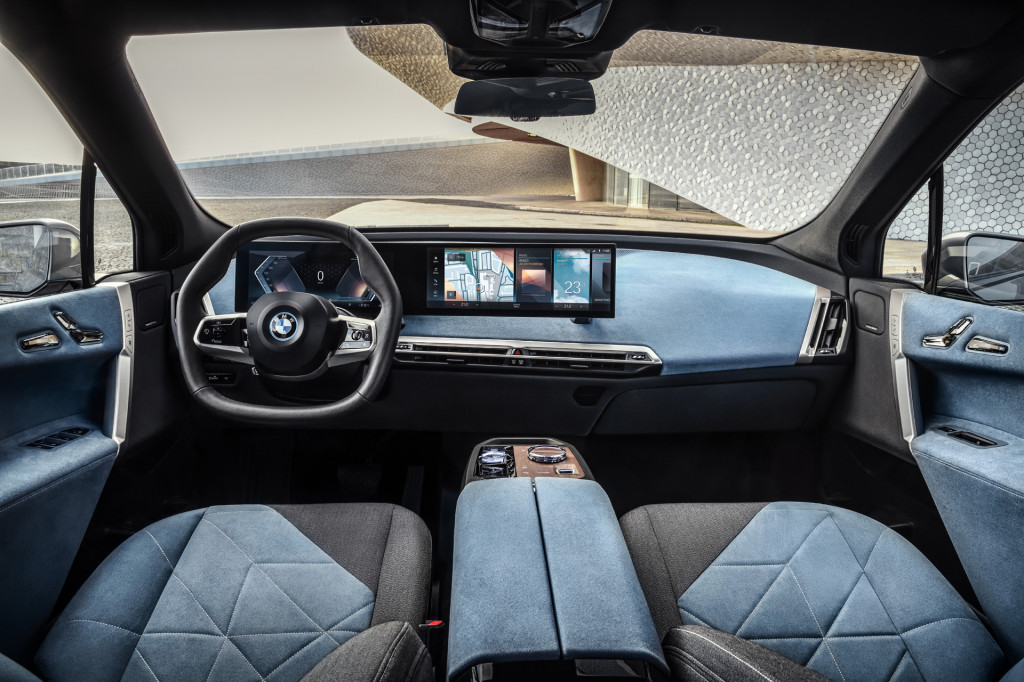
Eccolo qui! Il nuovissimo SAV elettrico di BMW. Questa vettura è il primo modello basato su una nuova architettura modulare e scalabile su cui verrà costruito il futuro del gruppo BMW. Concepita fin dall’inizio come mezzo puramente elettrico, l’iX vede BMW ridefinire il concetto di successo del suo Sports Activity Vehicle (SAV). La BMW iX offre un’esperienza di guida esaltante combinata con un senso di benessere sia per i conducenti che per i passeggeri che si godono il viaggio in sicurezza, il tutto racchiuso in un nuovo tipo di lusso. La BMW iX può essere paragonata alla BMW X5 in lunghezza e larghezza, ed è bassa quasi quanto la X6. Dal punto di vista del design, non somiglia a nessuna BMW sul mercato, quest’auto pone la prima pietra del linguaggio stilistico del marchio per i veicoli elettrici di nuova generazione. L’iX utilizza i motori BMW eDrive di quinta generazione, uno anteriore e uno posteriore. BMW conta di ottenere una potenza complessiva superiore a 370 kW o 500 CV dai motori, sufficiente per spingere l’auto da 0-100 Km/h in meno di 5 secondi. BMW prevede anche di offrire l’iX con un pacco batteria da 100 kWh per raggiungere un’autonomia di oltre 600 Km. Le prime consegne di BMW iX sono previste per la fine del 2021 in tutto il mondo.


Yesterday, September 1, 2020, in Prague, Skoda unveiled the final version of its Enyaq electric SUV that uses the MEB platform of the VW group and the construction architecture of the next VW ID4. The lineup will have diferent versions: the Enyaq iV 50, with an electric motor mounted on the rear axle, delivering 146 HP (109 kW), and a 55 kWh battery for a range of 211 miles (340 Km). The Enyaq iV 60 with 242 miles (390 Km) range with the 62 kWh battery, and a 178 HP (132 kW) motor. The Enyaq iV 80 with a 210 HP (150 kW) motor and an 82 kWh battery that will have a range up to 310 miles (500 Km). Those looking for 4WD electric SUV will be able to choose between the 80X and RS versions, which mount a second electric motor on the front axle, for a total output of 262 HP (195 kW) and 302 HP (225 kW) respectively. The Enyaq iV RS will accelerate to 62 MPH (100 Km/h) in 6.2 seconds before reaching the top speed at 112 MPH (180 Km/h). Both the RS and 80X will have a range of 286 miles (460 Km) on a single charge. It will arrive in spring 2021.
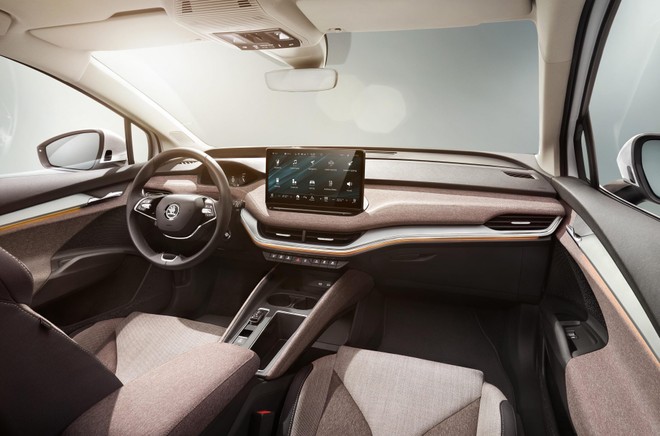
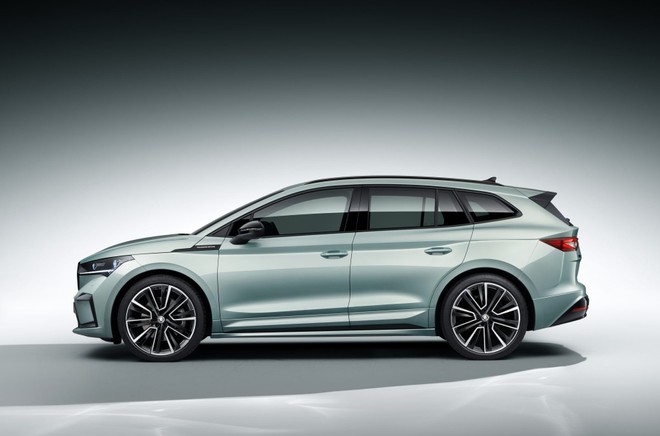
Ieri, 1 settembre 2020, a Praga, Skoda ha presentato la versione finale del suo SUV elettrico Enyaq che utilizza la piattaforma MEB del gruppo VW e l’architettura costruttiva del prossimo VW ID4. La gamma avrà diverse versioni: l’Enyaq iV 50, con un motore elettrico montato sull’asse posteriore, che eroga 146 CV (109 kW) e una batteria da 55 kWh per un’autonomia di circa 340 Km. L’Enyaq iV 60 con un’autonomia di circa 390 Km con la batteria da 62 kWh e un motore da 178 CV (132 kW). L’Enyaq iV 80 con un motore da 210 CV (150 kW) e una batteria da 82 kWh che avrà un’autonomia fino a 500 Km. Chi cerca un SUV elettrico a trazione integrale potrà scegliere tra le versioni 80X e RS, che montano un secondo motore elettrico all’asse anteriore, per una potenza complessiva rispettivamente di 262 CV (195 kW) e 302 CV (225 kW). L’Enyaq iV RS accelererà da 0-100 Km/h in 6,2 secondi prima di raggiungere la velocità massima di 180 Km/h. Sia l’RS che l’80X avranno un’autonomia di 460 Km con una sola ricarica. Arriverà nella primavera del 2021.

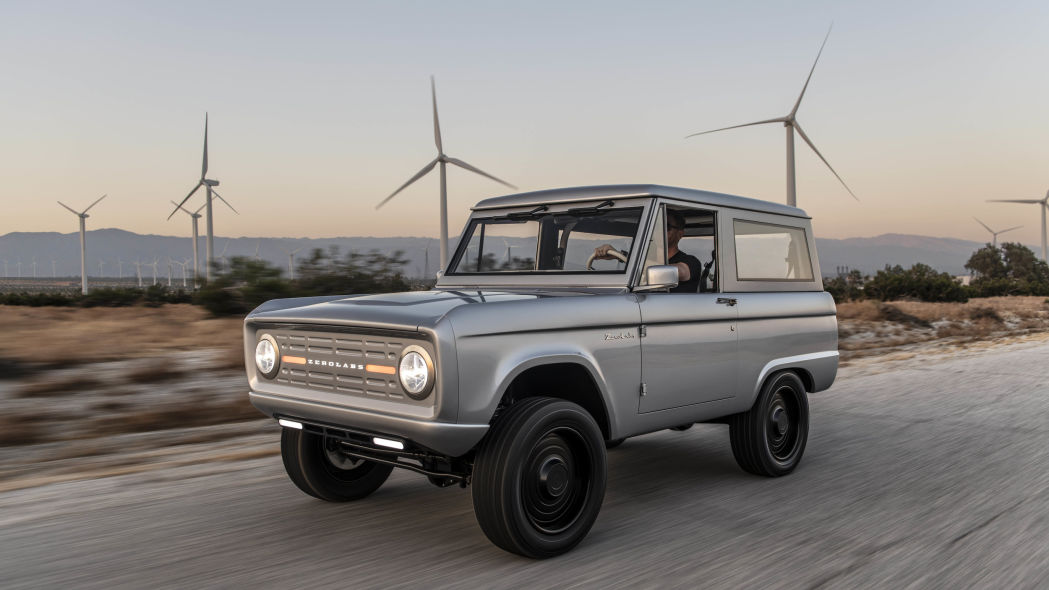
About a year ago Zero Labs introduced its restomod EV 1st gen Ford Bronco. The specs were impressive, now the company gave to the old Bronco a whole new platform. The first Zero Labs Bronco used solid axles front and rear, offered 2WD drive and 4WD, shifted via a 5 speed manual transmission and had 330 HP. This new truck has a fully independent suspension in front and rear, an automatic transmission, new AWD system and up to 600 HP using dual-motor system. Zero Labs has also introduced an air suspension system that allows to make height adjustments. It’s capable of Level 3 fast charging using a 85 kWh battery pack that allows a range of about 190 miles (235 miles with the 100 kWh battery pack). Price list: starting at around $185000 for the steel body version, and at $240000 for the carbon fiber body version.

Circa un anno fa Zero Labs ha presentato il restomod EV del Ford Bronco prima generazione. Le specifiche erano impressionanti, ora l’azienda ha dato al vecchio Bronco una piattaforma completamente nuova. La prima Zero Labs Bronco utilizzava assali rigidi anteriori e posteriori, offriva trazione 2WD e 4WD selezionabile, sfruttava un cambio manuale a 5 marce ed aveva 330 CV. Questo nuovo mezzo è dotato di sospensioni indipendenti davanti e dietro, cambio automatico, una nuova trazione integrale e fino a 600 CV grazie al doppio motore. Zero Labs ha anche introdotto un sistema di sospensioni pneumatiche che permette di regolare l’altezza del corpo vettura. E’ in grado di effettuare una ricarica rapida di livello 3 utilizzando un pacco batterie da 85 kWh che permette un’autonomia di circa 305 Km (378 col pacco batterie da 100 kWh). Listino prezzi: a partire da circa 185000 dollari per la versione con carrozzeria in acciaio, e a 240000 dollari per la versione con carrozzeria in fibra di carbonio.

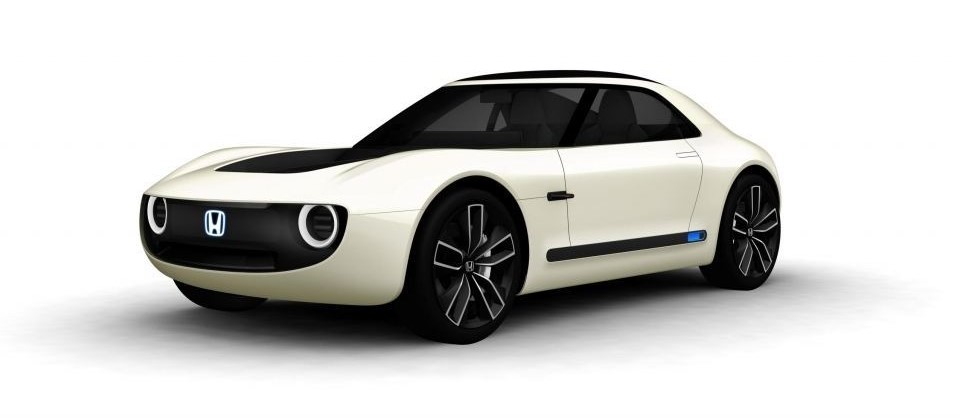
Presented at the Tokyo 2017 show, it should be joined by its sister Honda e, whose platform and technology it shares, in 2022. The prototype adopted the Automated Network Assistant: the system, integrated into the on-board infotainment system, is capable of learning the driver’s habits and needs, so that it can offer optimized indications in real time. The platform of this small sports car has a rear engine and rear-wheel drive and considerable dynamic capabilities to take advantage of Honda e‘s engines with power of 100 kW (136 hp) or 113 kW (154 hp). It remains to be seen whether the battery of the sports coupe will also be the same as the 4-door citycar, with 35.5 kWh capacity and between 205 and 220 km declared range.

Presentata al salone di Tokyo 2017 dovrebbe affiancare la sorella Honda e, di cui condivide la piattaforma e la tecnologia, nel 2022. Il prototipo adottava l’Automated Network Assistant: il sistema, integrato nell’infotainment di bordo, capace di apprende le abitudini e le necessità del guidatore, così da poter offrire indicazioni ottimizzate in tempo reale. La piattaforma di questa piccola sportiva prevede motore e trazione posteriori e notevoli doti dinamiche per sfruttare i motori della Honda e con potenza di 100 kW (136 CV) o 113 kW (154 CV). Resta da capire se anche la batteria della coupé sportiva sarà la stessa della citycar a 4 porte, con 35,5 kWh di capacità e tra i 205 e i 220 km di autonomia dichiarata.


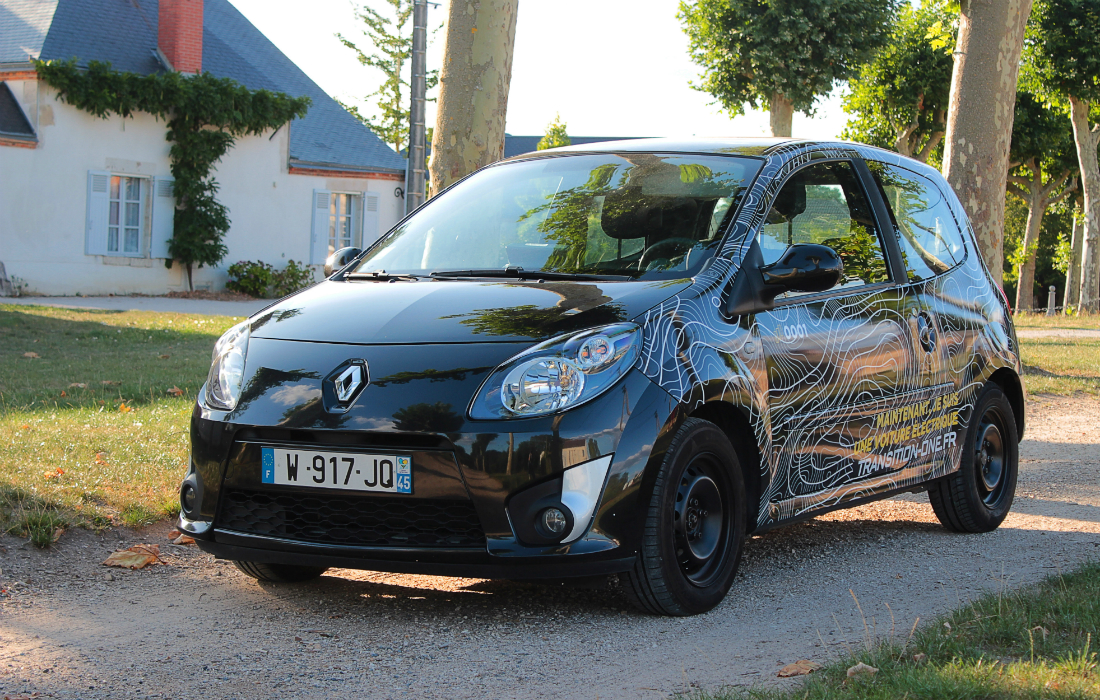
A conversion to electric cars in just 4 hours, this is the promise of the French company Transition-One based near Orleans. A “pit-stop” that allows to transform quickly and at a reasonable price (starting from about 5000 euros) some cars (14 models including the Renault Twingo second series, Fiat 500 and Mini). The company was born from an idea of Aymeric Libeau that in a very concrete way thought to facilitate the transition to the electric car by creating conversion kits that use Tesla batteries. The work was mainly focused on citycars and therefore with maximum speeds and autonomy not too high (we are talking about 110Km/h for the Fiat 500 and a range of about 100 Km). These conversions can already be ordered on the company’s website.
Una conversione ad auto elettrica in appena 4 ore, questa è la promessa dell’azienda francese Transition-One con sede vicino ad Orleans. Un “pit-stop” che permette di trasformare velocemente e ad un prezzo ragionevole (si parte da circa 5000 euro) alcune auto (14 modelli tra cui la Renault Twingo seconda serie, la Fiat 500 e la Mini). L’azienda nasce da un’idea di Aymeric Libeau che in modo molto concreto ha pensato ad agevolare il passaggio all’auto elettrica creando kit di conversione che sfruttano batterie Tesla. Il lavoro si è concentrato principalmente su citycar e quindi con velocità massime e autonomia non troppo elevati (si parla di circa 110Km/h per la Fiat 500 e di circa 100 Km di percorrenza). Queste conversioni sono già ordinabili sul sito dell’azienda.
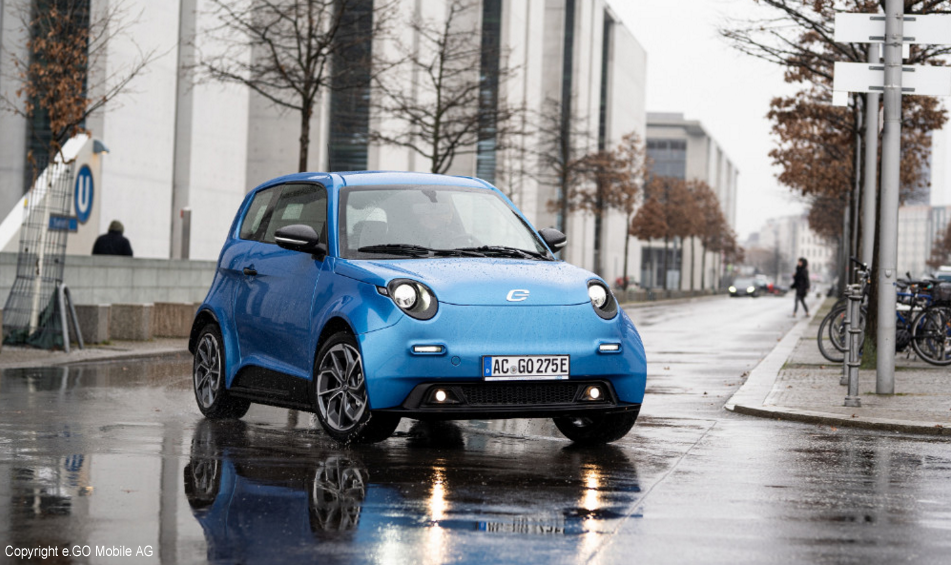
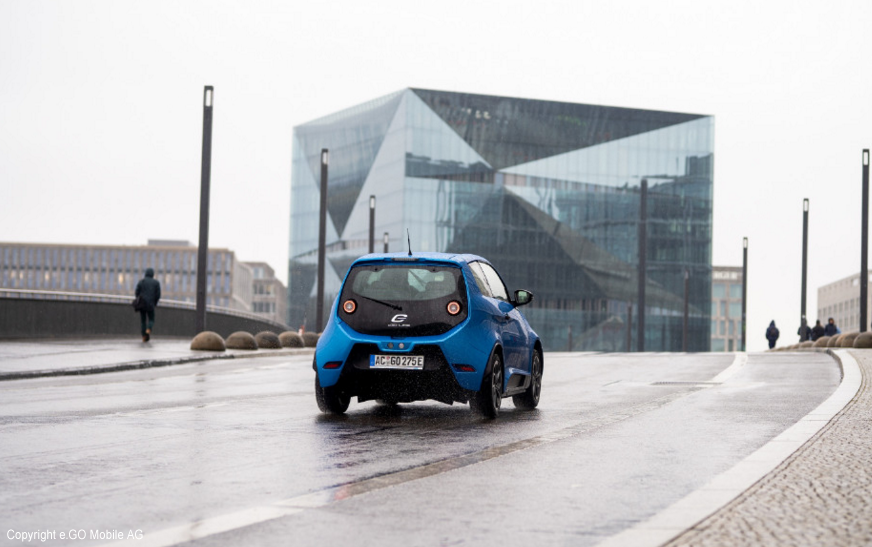
La e.GO Life è un’auto elettrica compatta a quattro posti prodotta in Germania con quattro caratteristiche che la rendono innovativa ed estremamente interessante. La Life è sostenibile, grazie al suo telaio spaceframe (APSF) in profilati d’alluminio di lunga durata ed esente da corrosione e carrozzeria con panneli in termoplastica che non necessitano di vernici protettive, sicura, il suo telaio in profilati a sezione quadrata permette un’elevato standard di protezione degli occupanti e delle batterie con una sezione frontale in grado di sostenere deformazioni al livello di berline più gradi, economica, con un metodo di produzione ottimizzato per la piccola serie grazie alla metodica IoP (Internet of Production) che abbinata al tipo di telaio la rende un’elettrica conveniente, dinamica, con una guida quasi sportiva grazie all’APSF, l’assetto, le gomme larghe, il baricentro basso e l’assale posteriore De-Dion. Inizialmente, la versione e.GO Life 60 sarà disponibile sul mercato in una prima edizione con una potenza di picco di 57 kW e una potenza continua di 29 kW. Il motore elettrico è fornito dalla Bosch. La e.GO Life 60 ha trazione posteriore e accelera da 0 a 50 km/h in 4,7 secondi. Grazie alla batteria da 21,5 kWh ha un’autonomia di 139 km (con ciclo WLTP Combinato). I prezzi variano dalla versione base a 21.900 euro alla più completa a 27.225 euro (senza applicazione di bonus ambientale). Per ulterori dettagli vistate: e.GO


The e.GO Life is a compact four-seater electric car produced in Germany with four features that make it innovative and extremely interesting. The Life is sustainable, thanks to its spaceframe frame (APSF) made of long life aluminum profiles and free of corrosion and bodywork with thermoplastic panels that don’t require protective paint, safe, its frame in square section profiles allows a high standard of protection of occupants and batteries with a front section able to withstand deformation at the level of sedans more degrees, economical, with a production method optimised for small series thanks to the IoP (Internet of Production) method, which combined with the type of chassis makes it an economical electric car, dynamic, with an almost sporty ride thanks to the APSF, the trim, wide tyres, low centre of gravity and De-Dion rear axle. Initially, the e.GO Life 60 version will be available on the market in a first edition with a peak power output of 57 kW and a continuous power output of 29 kW. The electric motor is supplied by Bosch. The e.GO Life 60 has rear wheel drive and accelerates from 0 to 50 km/h in 4.7 seconds. Thanks to the 21.5 kWh battery it has a range of 139 km (according to combined WLTP cycle). Prices vary from the basic version at 21,900 euros to the most complete version at 27,225 euros (without environmental bonus). For further details see: e.GO
 P77
P77 