auto elettriche

Swind E classic: green vintage Mini

swind_mini

All’inizio del 2019, l’azienda inglese Swind ha presentato la E Classic, una Mini vintage che combina un corpo vettura totalmente restaurato e una nuova propulsione su misura con un motore elettrico da 80 kW (110 CV) sviluppato dalla Swindon Powertrain. Disponibile su ordinazione sia con guida a sinistra che a destra, questa produzione limitata di 100 auto ha un prezzo di partenza di circa 94000 euro e viene fornita con una garanzia di un anno senza limite di percorrenza. L’auto ha una batteria al litio da 24kWh che consente un’autonomia di 200 km e raggiunge una velocità massima di 130 km/h.


At the beginning of 2019 the british company Swind unveiled the E Classic, a vintage Mini that combines a fully-restored body and bespoke powertrain with a 80kW (110HP) electric motor developed by Swindon Powertrain.  Available to order either lhd o rhd, this limited production of 100 cars has starting price at £79,000 and comes with an unlimited mileage one-year warranty. The car has 24kWh lithium battery pack that allows a range of 125 miles (200km) and reaches a top speed of 80 MPH (130 km/h).

swind_E_Classic

HONDA e: ready to go

honda-e

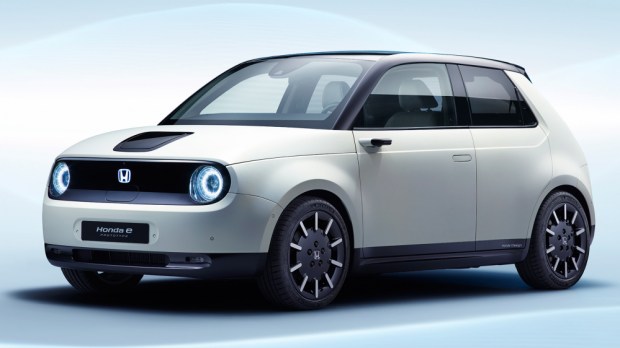
Jonny Smith on his YouTube channel CarPervert drives the Honda e, the all new compact EV made by the japanese builder and presented at Frankfurt Auto show 2019. A compact car (3900mm long) with power steps between 136 and 154HP, a 35,5 kWh battery pack, about 200km range and price tag from 35500 euro up to 38500 euros for the top version.


Jonny Smith sul suo canale YouTube CarPervert guida la Honda e, la nuovissima EV compatta realizzata dal costruttore giapponese e presentata al Salone dell’Auto di Francoforte 2019. Un’auto compatta (lunga 3900 mm) con livelli di potenza tra i 136 e 154CV, un pacco batteria da 35,5 kWh, autonomia di circa 200 km e prezzo compreso tra 35500 euro e 38500 euro per la versione top.

FISKER OCEAN: Henrik strikes back

fisker-ocean-2020-01_7

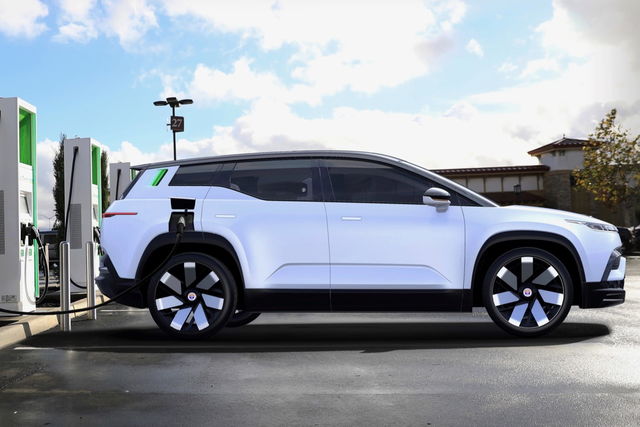
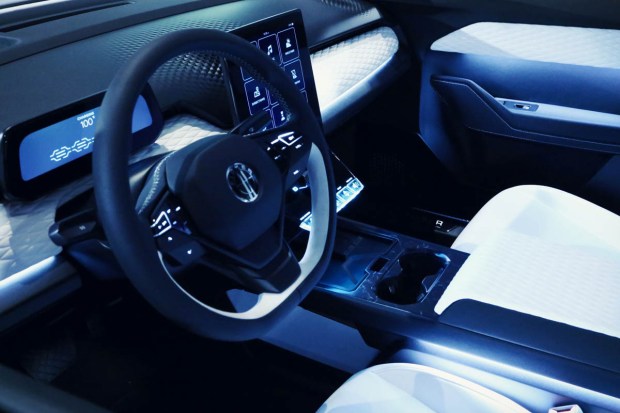
CES 2020, Henrik Fisker ha svelato il suo SUV elettrico denominato Ocean, che si presenta come una diretta concorrente della Tesla Model Y. Il prezzo di partenza è 37499 dollari e l’inizio delle consegne è previsto per la prima metà del 2022, le vendite per ora sono solo per il mercato USA ma è previsto anche l’arrivo nel vecchio continente. L’auto è già prenotabile on-line con una caparra di 250 dollari e in seguito sarà anche possibile un leasing flessibile (senza vincoli contrattuali di durata) con canone mensile. La Fisker Ocean si presenta come un’auto estremamente sostenibile con molte parti realizzate usando materiali riciclati; ad esempio il cruscotto fatto con materiale ricavato da magliette usate, i tappetini realizzati con bottiglie di plastica e reti da pesca e la guarnizione intorno al lunotto posteriore derivata da pneumatici riutilizzati. Non è stata diffusa una dettagliata scheda tecnica ma si sa che la Ocean avrà un’autonomia di circa 480km (con una batteria da 80 kWh). Sarà disponibile in più varianti anche con trazione integrale , compresa una più sportiva, che sarà in grado di coprire lo scatto 0-100 km/h in meno di 3 secondi. Contribuisce alla ricarica anche l’ampio tetto solare, che in condizioni ottimali dovrebbe garantire circa 4 km al giorno di percorrenza aggiuntiva. La Fisker Ocean è dotata di un avanzato sistema di assistenza alla guida che utilizza due radar anteriori.
fisker-ocean-2020-01_66

fisker-inc-interior-images-01

CES 2020, Henrik Fisker has unveiled its electric SUV called Ocean, which arrives as a direct competitor of the Tesla Model Y. The starting price is $37,499 and delivery will begin in the first half of 2022, sales for now are only for the US market but is expected to come in Europe too. The car can already be reserved online with a $250 deposit and it will be also available a flexible lease (without contractual duration restrictions) with a monthly fee. The Fisker Ocean is declared as an extremely sustainable car with many parts made using recycled materials; for example the dashboard made with material obtained from used shirts, the mats made with plastic bottles and fishing nets and the gasket around the rear window derived from reused tires. A detailed data sheet has not been released but it is known that Ocean will have a range of about 480km (with an 80 kWh battery). It will be available in several variants, also with all-wheel drive, including a sportier one, which will be able to cover the 0-100 km/h sprint in less than 3 seconds. The large solar roof also contributes to charging, in optimal conditions should guarantee about 4 km per day of additional range. The Fisker Ocean is equipped with an advanced driver assistance system that uses two front radars.

fisker-ocean-2020-01_5

Ford Mustang Mach-E: first pony EV SUV

Mustang_mach_e

Ford finally unveiled its full electric SUV at LA Auto Show: the Mustang Mach-E that will come in fall 2020 and will fight against the Tesla Model Y. The most affordable version of the Mach-E will be the “Select” trim with rear-wheel drive withe a starting price at $43895. However this version won’t be available until early 2021, it will have a 75,7 kWh battery pack and a target range of 230 miles. Adding $2700, the select trim will be also available with 4WD. The limited First Edition will start at $59900 and wll be a extended-range all-wheel drive with some cool touches like: red painted brake calipers, metallic pedal covers, contrasting seat stitching and a scuff plate marked “First Edition.” The First Edition, will have a 98,8 kWh battery pack that can travel 270 miles on a single charge. Ford is supplying all variants with a home charger that can plug into 120V or 240V outlets. Ford will also sell a fast home charger. The Mach-E will have a next generation Sync infotainment system (Apple CarPlay and Android Auto compatible) with a 15.5″ vertical screen (with a physical volume knob at the bottom) in the center cockpit and a smaller display as instrument cluster in front of the driver.

Mustang_mach_eint

Ford ha finalmente presentato il suo SUV completamente elettrico al salone dell’auto di Los Angeles: la Mustang Mach-E che arriverà verso fine 2020 e sfiderà la Tesla model Y. La versione più economica della Mach-E sarà l’allestimento “Select” con sola trazione posteriore ad un prezzo di partenza di circa $43895. Tuttavia, questa versione non sarà disponibile fino all’inizio del 2021, sarà dotata di un pacco batterie da 75,7 kWh e un’autonomia di circa 230 miglia (370 km). Aggiungendo $2700 la versione potrà essere dotata di trazione integrale. L’edizione limitata “First Edition” avrà un prezzo di partenza di circa $59900 e avrà trazione integrale e autonomia estesa oltre ad alcuni tocchi di classe come: pinze dei freni rosse, pedaliera sportiva in metallo, cuciture dei sedili a contrasto e una piastra anti-graffio con la dicitura “First Edition”. La prima edizione avrà un pacco batterie da 98,8 kWh che un’autonomia di 270 miglia (430 km) per singola ricarica. Ford fornisce per tutte le versioni un caricatore domestico che può essere collegato a prese da 120V o 240V. Sarà anche in vendita un fast charger domestico. La Mach-E avrà un sistema di infotainment Sync di prossima generazione (compatibile con Apple CarPlay e Android Auto) con uno schermo verticale da 15,5″ al centro della plancia (con una manopola del volume fisica montata nella parte inferiore) e un display più piccolo come strumentazione di fronte l’autista.

Mustang_mach_e2

Mustang Lithium concept: green and furious

ford-mustang_lithium_concept-2019-1600-02

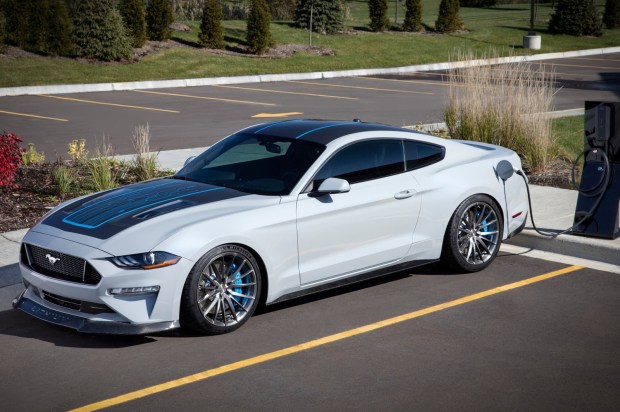
At SEMA 2019 in Las Vegas, Ford and Webasto unveiled the Mustang Lithium concept. The car has a Phi-Power dual-core electric motor and dual power inverters powered by an 800V battery system by Webasto. The package produces 900HP! The vehicle has custom carbon fiber body components, a 1.0″ lowered stance and 20″ staggered fitting forged wheels, brakes with six pistons calipers from the Shelby GT350R. The car also fit a fun manual transmission (Getrag MT92) for hardcore car lovers. The car is a one-off but never say never.

ford-mustang_lithium_concept-2019-1600-07

Al SEMA 2019 di Las Vegas, Ford e Webasto hanno presentato la concept Mustang Lithium. L’auto ha un motore elettrico dual-core Phi-Power e inverter a doppia alimentazione supportati da un sistema di batterie da 800 V prodotto da Webasto. Il tutto sprigiona ben 900CV! Il veicolo ha componenti dellla carrozzaria in fibra di carbonio personalizzati, assetto ribassato di circa 2cm e ruote forgiate da 20″, freni con pinze a sei pistoncini della Shelby GT350R. L’auto monta anche una trasmissione manuale (Getrag MT92) per i fanatici del cambio alla vecchia maniera. L’auto è un pezzo unico ma mai dire mai…

ford-mustang_lithium_concept-2019-1600-05

Tesla VS Porsche: Top Gear video

From the Top Gear YouTube channel the challenge between the Tesla Model S Performance and the new Porsche Taycan Turbo S. Two different ways to think the EV sedan. Not only numbers…


Dal canale YouTube di Top Gear la sfida tra la Tesla Model S Performance e la nuova Porsche Taycan Turbo S. Due modi diversi di pensare la berlina elettrica. Non solo numeri …

Volvo XC40 Recharge: compact Swedish electric

XC40recharge_0

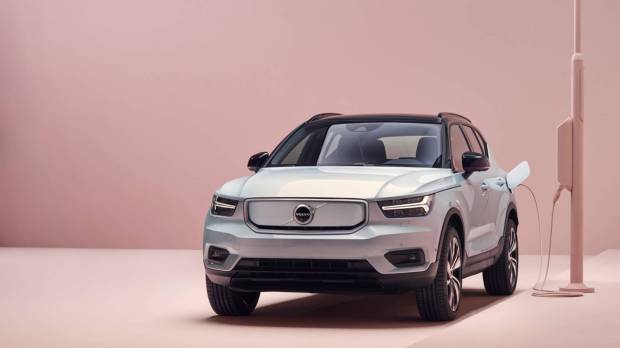
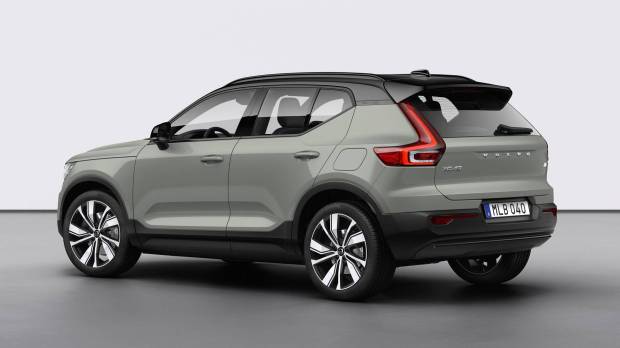
Volvo presented its new full electric compact SUV: the XC40 Recharge. Recharge will be Volvo’s branding for its future EVs and plug-in hybrid models (using technology from the sister company Polestar). The model looks similar to the standard (ICE) XC40 but with some new details. The grille is now closed, except for a small slit at the bottom. Color contrast: the lower fascia, mirror caps, and roof in black. Now the car has room under the hood, and so there’s now a spot for cargo in there. The XC40 Recharge has a range of over 249 miles (about 400 Km) in the WLTP test cycle. The 4WD electric powertrain has 2 motors (one per each axle) and produces 408 HP (304 kW). Using a fast charger (150kW), the system can go from 10% to 80% of the capacity in 40 minutes. The car interior looks almost identical to other models in the range. It has Volvo’s new Android-powered infotainment system.

XC40recharge_3

XC40recharge_4

Volvo ha presentato il suo nuovo SUV compatto elettrico: la XC40 Recharge. “Recharge” sarà il marchio Volvo per i suoi futuri modelli ibridi plug-in e i veicoli elettrici (utilizzando la tecnologia della consociata Polestar). Il modello è molto simile alle XC40 con motore endotermico ma con alcuni nuovi dettagli. La griglia nateriore è ora chiusa, ad eccezione di una piccola fessura nella parte inferiore. Contrasto cromatico: fascia inferiore, calotte degli specchietti e tetto nero. Ora l’auto ha spazio sotto il cofano e quindi c’è un posto per un vano di carico. L’XC40 Recharge ha un’autonomia di circa 400 Km nel ciclo con test WLTP. Il gruppo propulsore elettrico a 4 ruote motrici ha 2 motori (uno per ogni asse) e produce 408 CV (304 kW). Utilizzando un caricabatterie rapido (150kW), il sistema può passare dal 10% all’80% di carica in 40 minuti. L’interno dell’auto sembra quasi identico agli altri modelli della gamma e ha il nuovo sistema di infotainment basato su Android.

XC40recharge_2

VW ID.3 an electric for the masses

Volkswagen_ID3

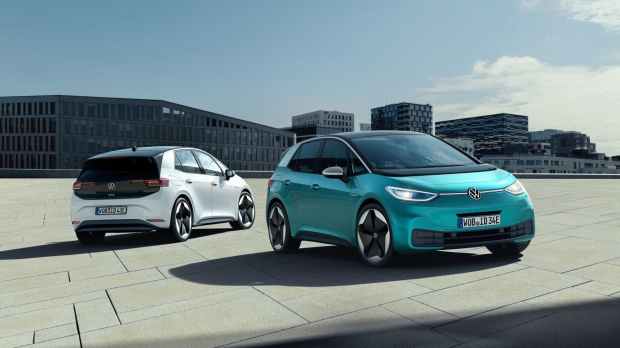
At the Frankfurt Motor Show 2019, VW has unveiled its, ready for the road, ID.3 full electric car based on the new MEB electric platform. The ID.3 will be offered with 3 different battery packs: 45 kWh battery pack for the base version with 330 Km range (WLTP tested), 58 kWh for the mid-range version (ID.3 1ST) with 420 Km range and 77 kWh battery pack for the long-range version that promises up to 550 Km range. Starting price at about 30000 euros (for the basic version). Tha car has overall dimesions near a VW Golf but with wheelbase similar to the Passat, so the there’s a lot of room for people inside. The cockpit has a very clean and essential design with two displays, one in front of the driver and one in the center for the infotainment system.

Volkswagen_ID3_cockpit

Al Motor Show di Francoforte 2019, VW ha presentato la sua ID.3, prima vettura elettrica di serie basata sulla nuova piattaforma MEB. L’ID.3 verrà offerta con 3 diversi pacchi batteria: il primo da 45 kWh per la versione base con autonomia di 330 Km (secondo test WLTP), il secondo da 58 kWh per la versione intermedia (ID.3 1ST) con autonomia di 420 Km ed infine il pacco batteria da 77 kWh per la versione a lungo raggio che promette fino a 550 km di percorrenza. Il prezzo di partenza sarà di circa 30000 euro (per la versione base). L’auto ha dimensioni complessive vicino a quelle di una VW Golf ma con un passo simile a quello della Passat, quindi c’è molto spazio per le persone all’interno. Il cockpit ha un design molto pulito ed essenziale con due display, uno davanti al guidatore e uno al centro per il sistema di infotainment.

Volkswagen_ID3_b

Porsche Taycan: lightning from Stuttgart

D4E34857-BFB9-44BA-86ED-96BB02D3733A

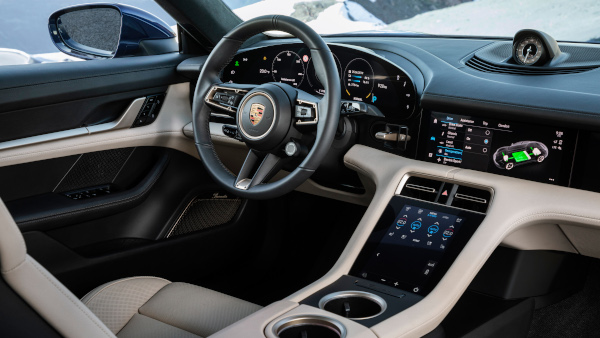
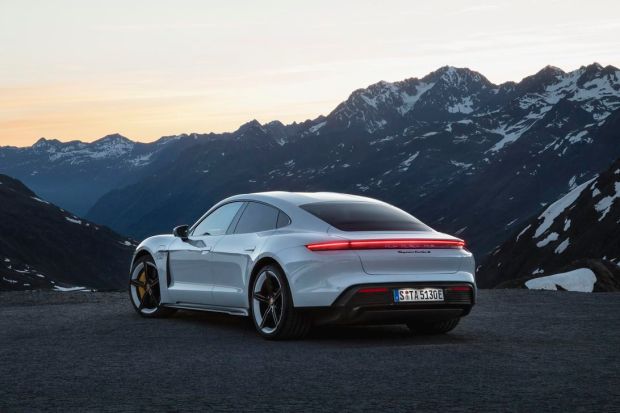
Yesterday Porsche revealed the Taycan in its production shape. The new Porsche sedan will have two versions: Turbo and Turbo S with names so familiar to all the brand fans. The car shares basic platform with the coming soon Audi e-tron GT. Both utilize an 800V electrical system that will provide ultra fast-charging capability. The Taycan Turbo has 680HP and 626 lb-ft of torque and the Turbo S has 761HP and 774 lb-ft. Both versions are 4WD with 2 electric motors, one at the front and one at the rear (this one with a 2 ratio gearbox). The Taycan accelerates from zero to 60 mph in 3.2 seconds (Turbo) e 2,8 seconds (Turbo S). The Taycan’s body shape resembles the fastback appearance of the Porsche Panamera with a shorter wheelbase.

Photography: Christoph Bauer Postproduction: Wagnerchic – www.wagnerchic.comC127C89D-81C3-41FB-8FE6-FAFF23C5F353

Ieri Porsche ha presentato Taycan nella sua forma definitiva. La nuova berlina Porsche avrà due versioni: Turbo e Turbo S che sono nomi molto familiari a tutti i fan del marchio. L’auto condivide la piattaforma di base con la Audi e-tron GT in arrivo l’anno prossimo. Entrambe utilizzano un sistema elettrico a 800 V che fornirà una capacità di ricarica ultra rapida. Il Taycan Turbo ha una potenza pari a 680CV e 850 Nm di coppia e il Turbo S 761CV e 1050 Nm. Entrambe le versioni sono 4WD con 2 motori elettrici, uno nella parte anteriore e uno nella parte posteriore (questo con un cambio a 2 rapporti). La Taycan accelera da 0 a 100Km/h in 2,8 secondi (Turbo S) e 3,2 secondi (Turbo). La forma della carrozzeria della Taycan ricorda l’aspetto fastback della Porsche Panamera ma con un passo più corto.

2ED87788-C091-4C16-83B2-A057FD49A235

RAESR Tachyon Speed: road jet fighter

Tachyon_Speed_01

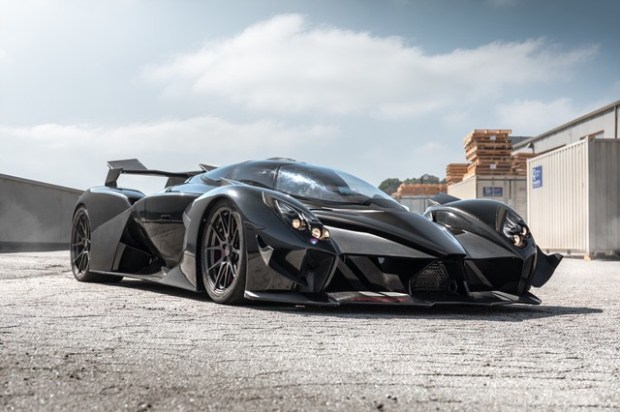
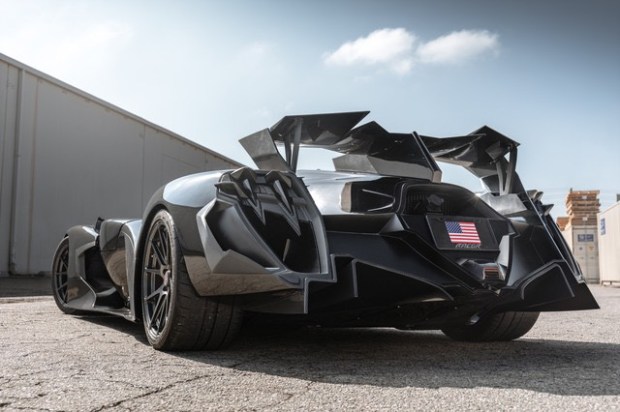
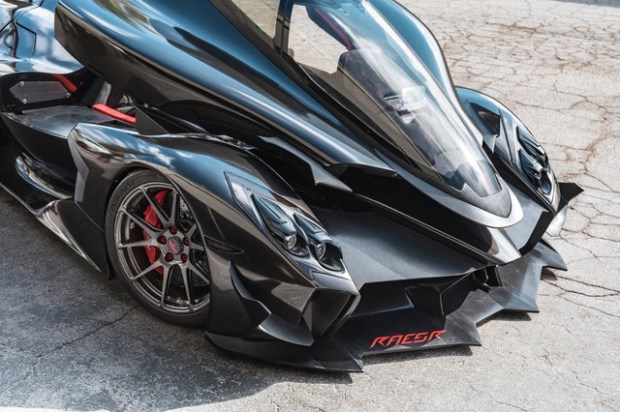
Crazy but terribly cool. If Batman wanted an electric car this could be his choice. The Raesr Tachyon Speed is a full electric hypercar developed under company founder and CEO Eric Rice. The car is a two seater with an aeronautic canopy, carbon fiber body (with a 0.39 CX) and the crazy power of 1250HP generated by 6 electric motors (4 back and 2 in the front) it also features 4wd with power vectoring, 0-62MPH under 3 sec, 0-120MPH under 7 sec and a top speed over 240MPH. The range is about 150 miles in real city traffic conditions.
This road jet fighter is ready to be ordered on the RAESR (Rice Advanced Engineering System and Research) web page: raesr.com

Tachyon_Speed_02

Folle ma terribilmente bella. Se Batman volesse un’auto elettrica questa potrebbe essere la sua scelta. La Raesr Tachyon Speed è una hypercar completamente elettrica sviluppata sotto la guida del fondatore e AD della compagnia Eric Rice. L’auto è a due posti con tettuccio aeronautico, carrozzeria in fibra di carbonio (con un CX di 0,39) e la folle potenza di 1250CV generata da 6 motori elettrici (4 posteriori e 2 anteriori) presenta anche 4wd con power vectoring, 0-100 Km/h in meno di 3 secondi, 0-200 Km/h in meno di 7 secondi e una velocità massima di oltre 380 Km/h. L’autonomia è di circa 240 Km in condizioni di traffico cittadino reale.
Questo caccia da strada è pronto per essere ordinato sulla pagina web RAESR (Rice Advanced Engineering System and Research): raesr.com

Tachyon_Speed_03

All pictures are RAESR Copyright